

Piedmont Villas with Private Pool
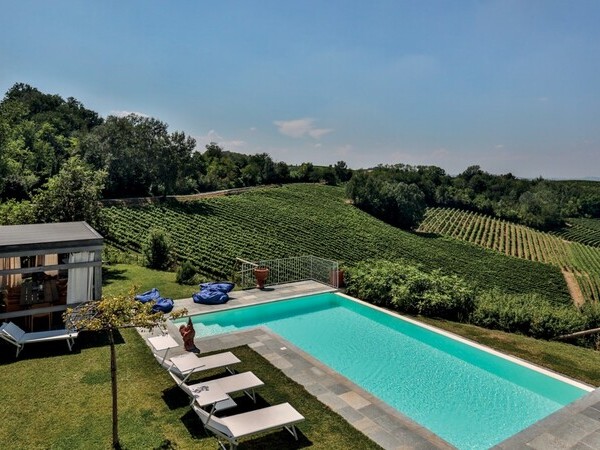
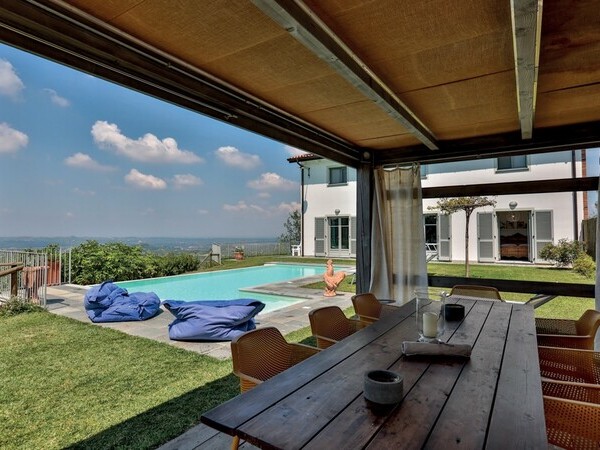
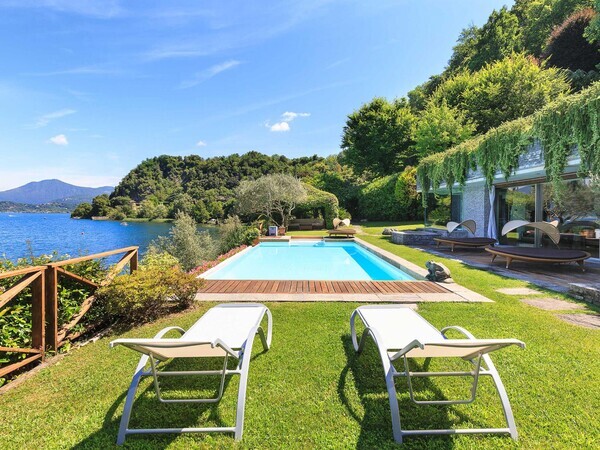
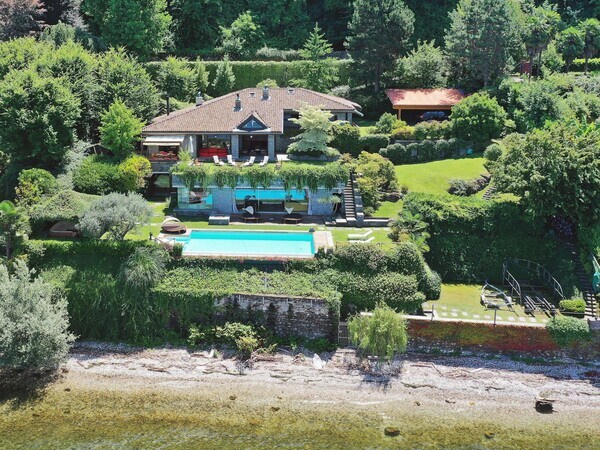
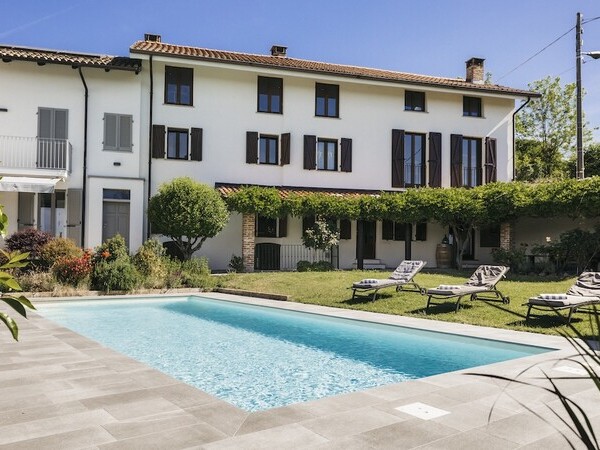
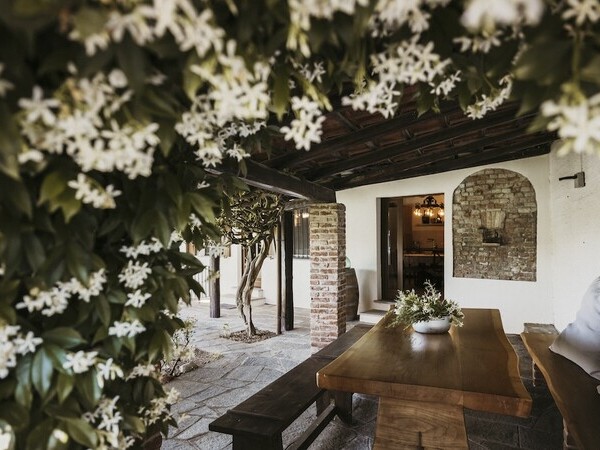
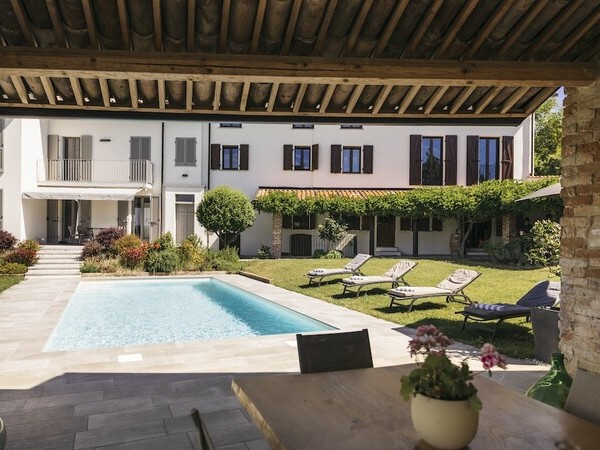
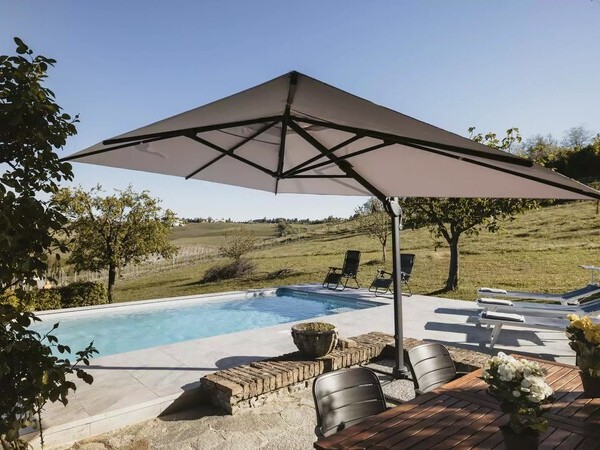
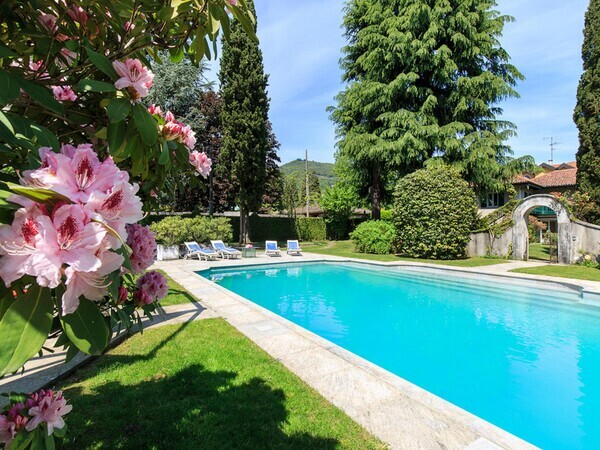
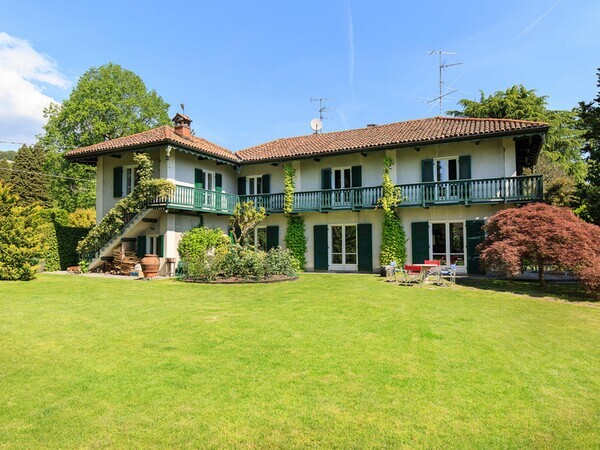
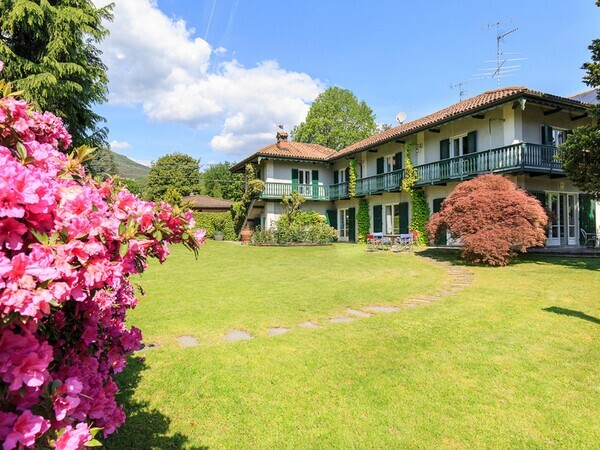
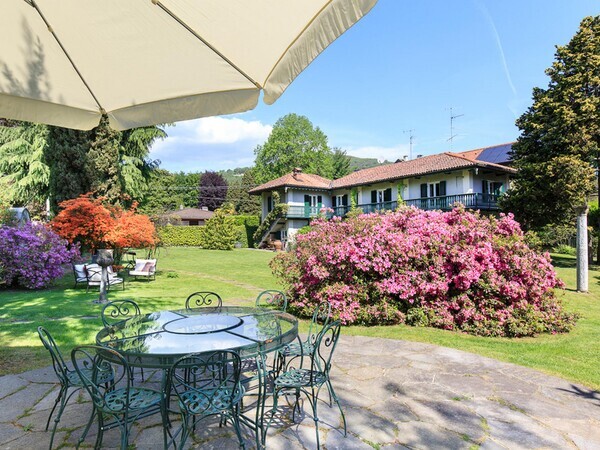
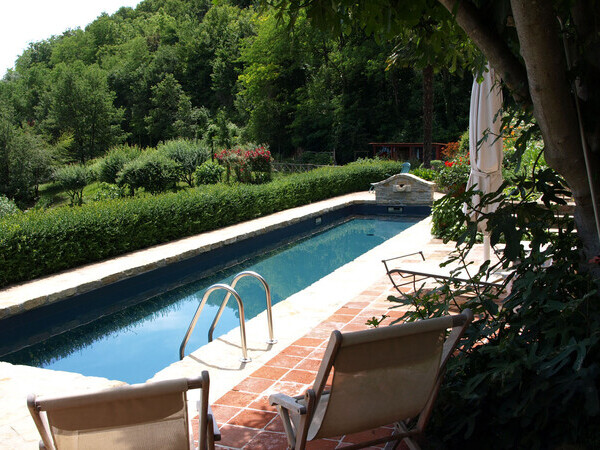
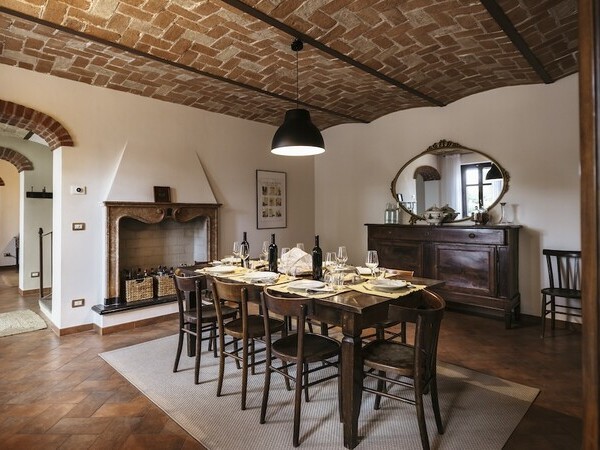
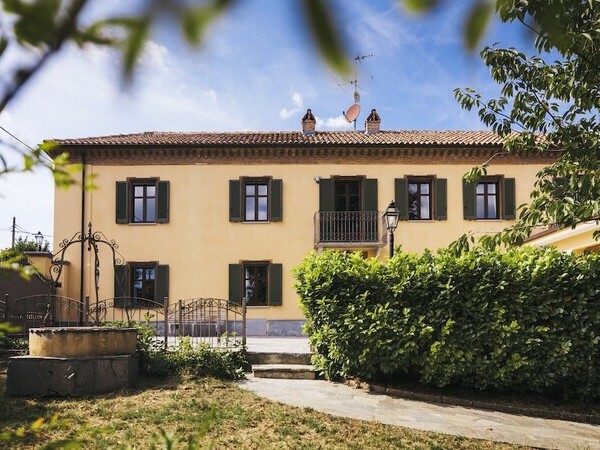
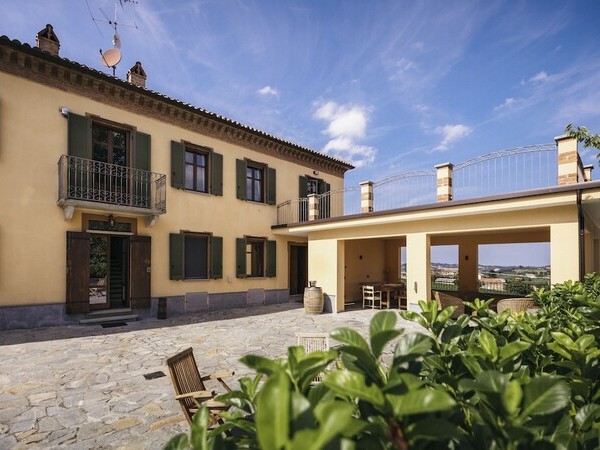
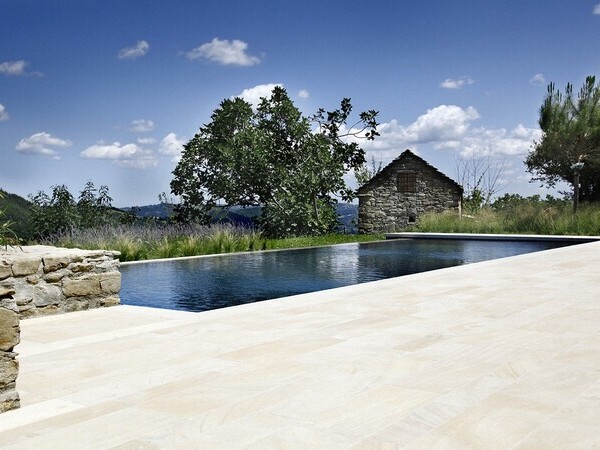
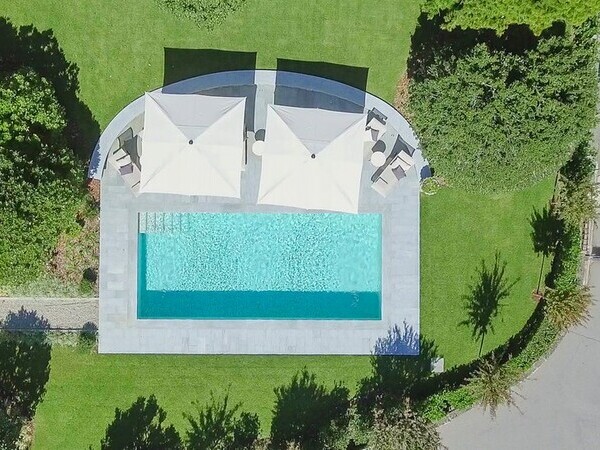
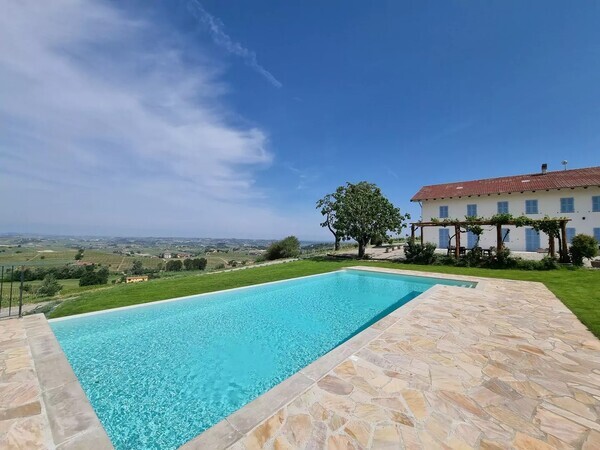
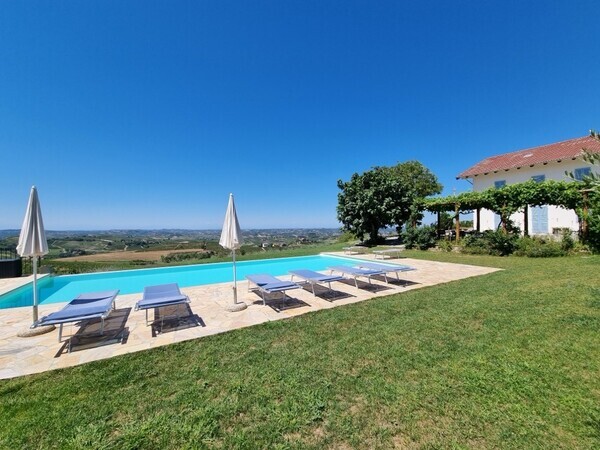
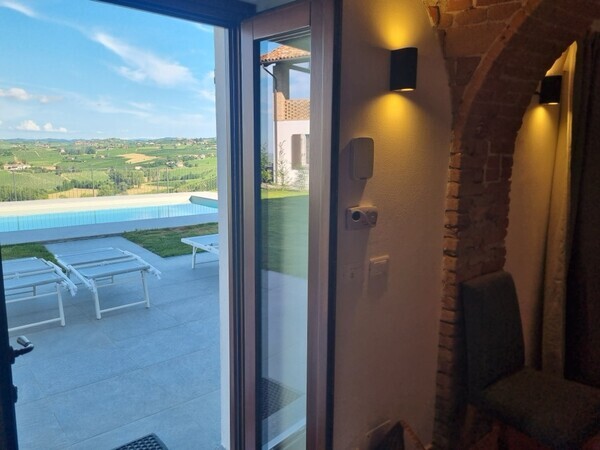
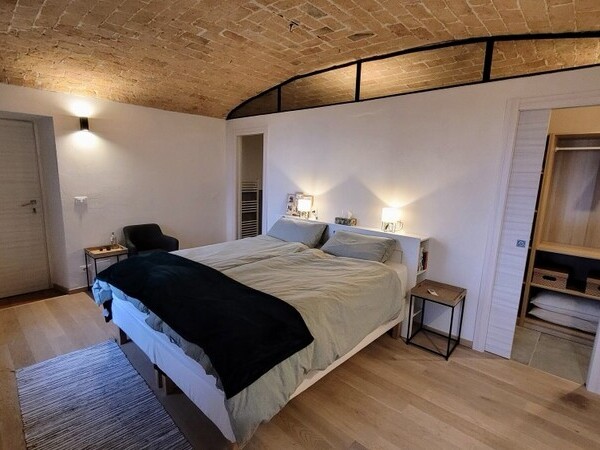
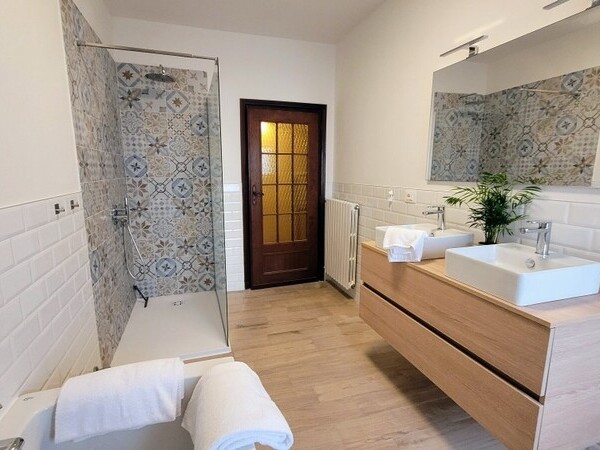
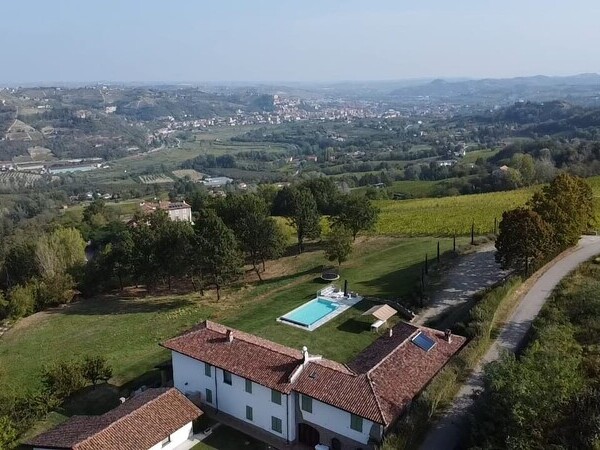
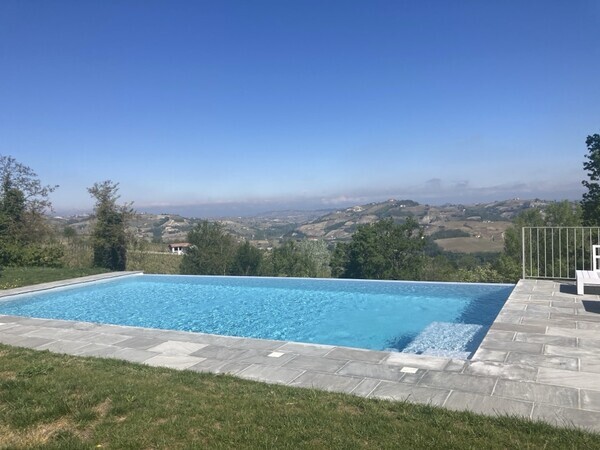
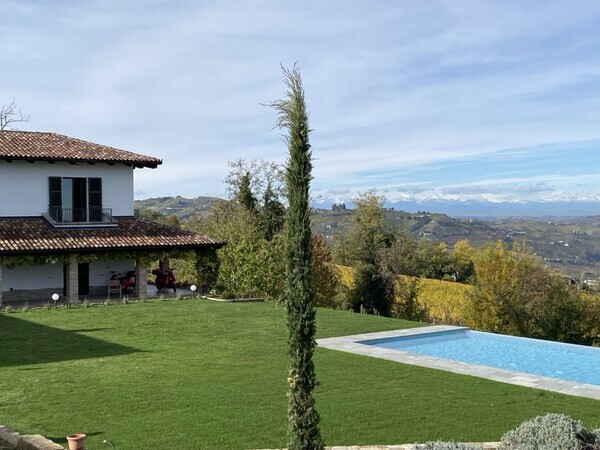
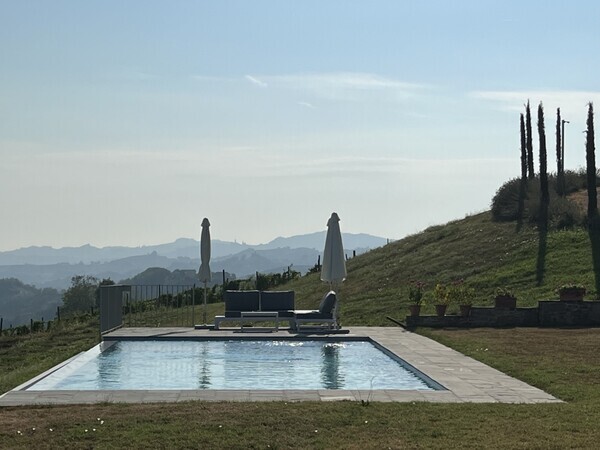
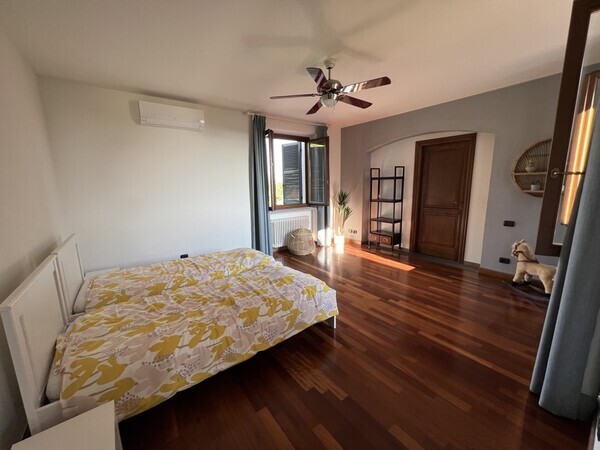
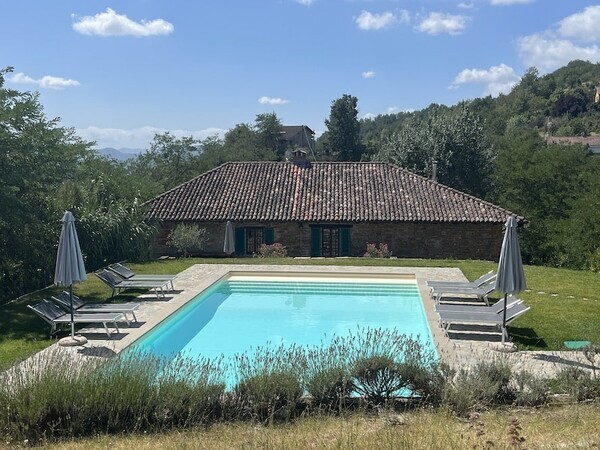
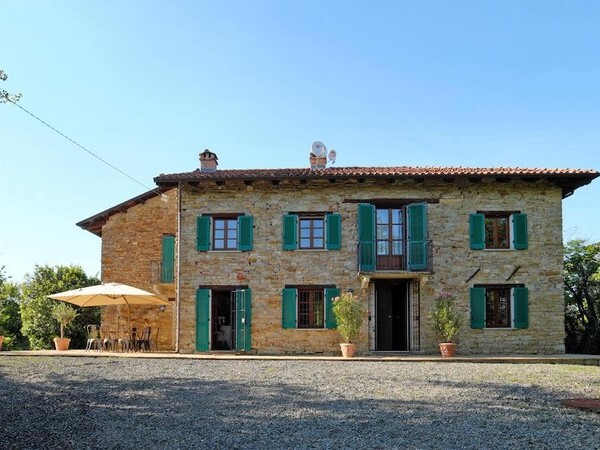
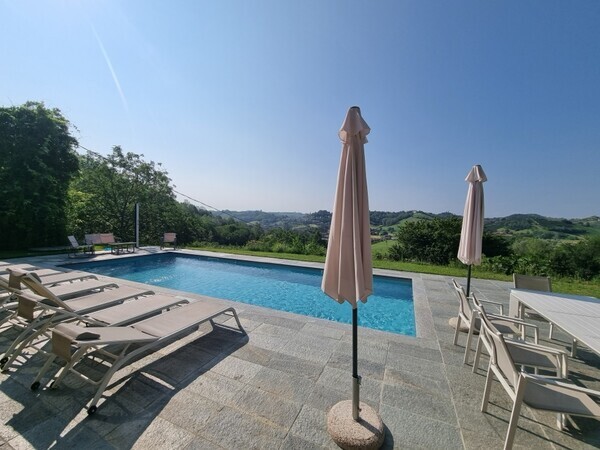
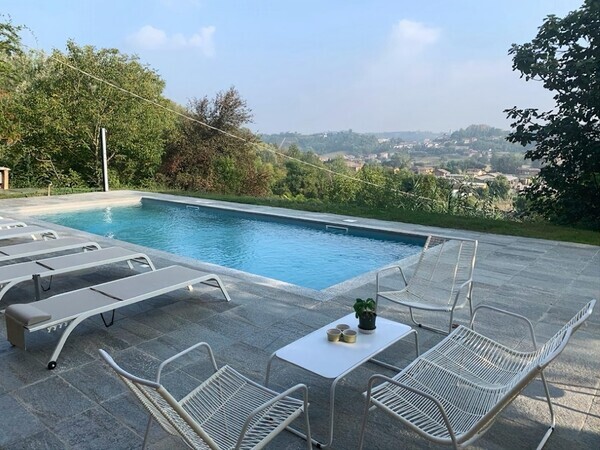
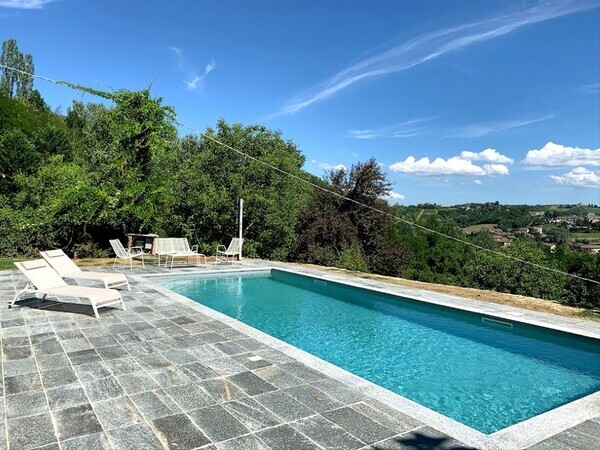
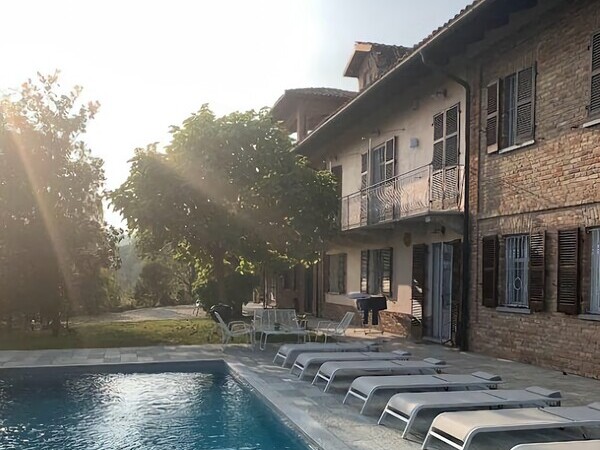
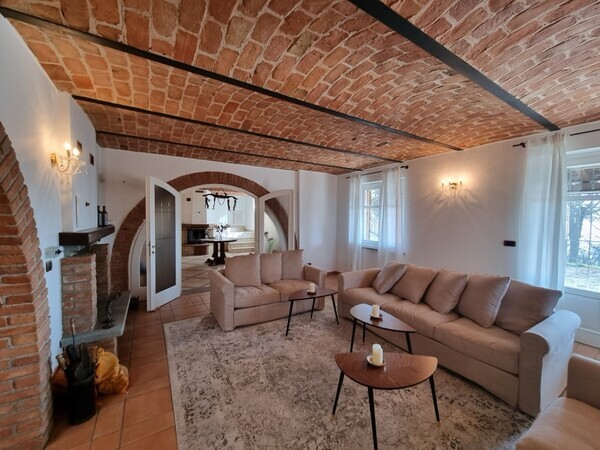
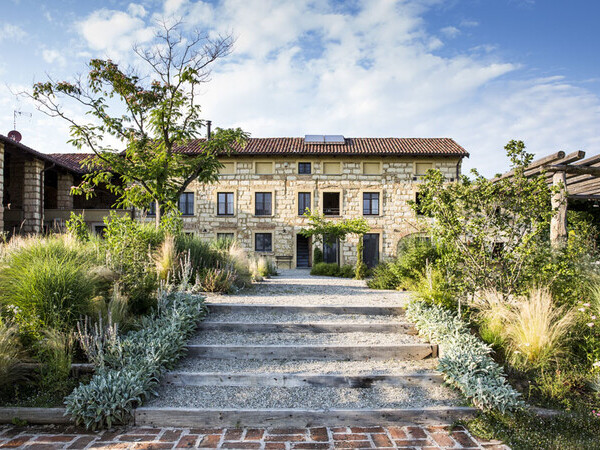
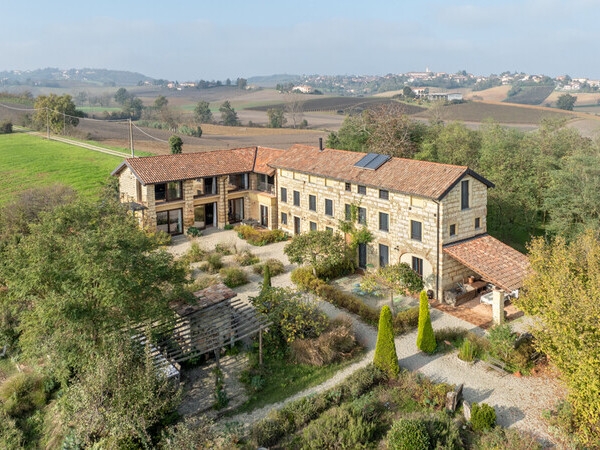
Discover nearly 30 carefully selected villas in Piedmont with private pools, set among vineyards, rolling hills and historic wine villages. The collection ranges from traditionally restored cascine to contemporary design villas and is ideal for couples, families and groups seeking privacy, space and an authentic stay in northern Italy.
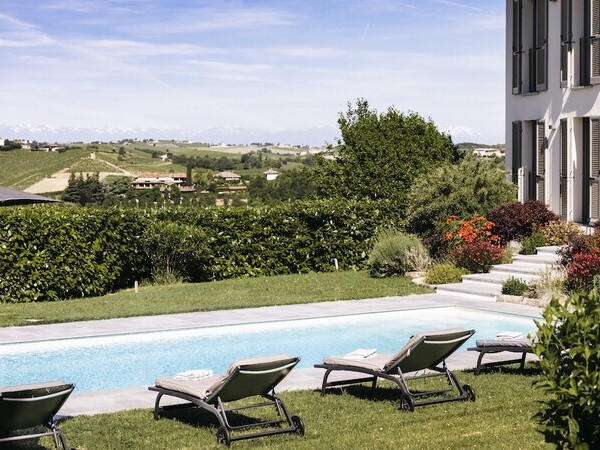
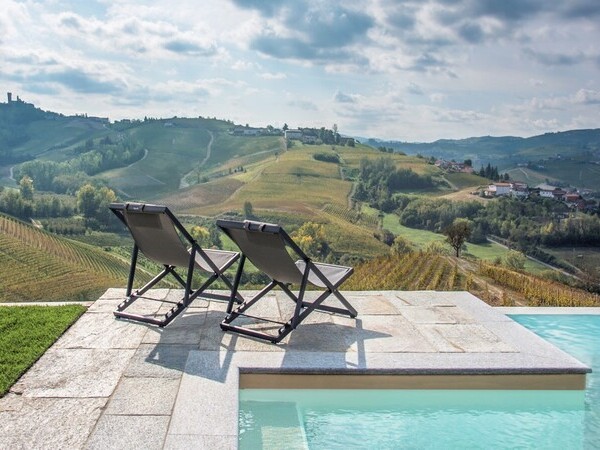
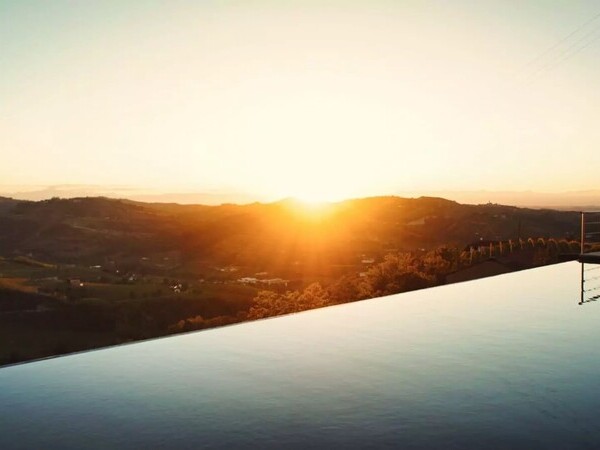
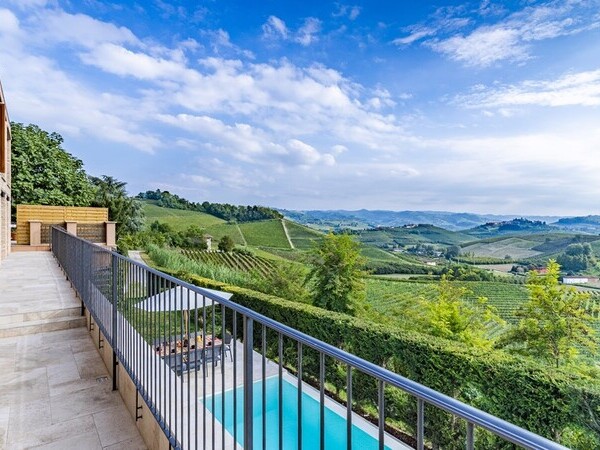
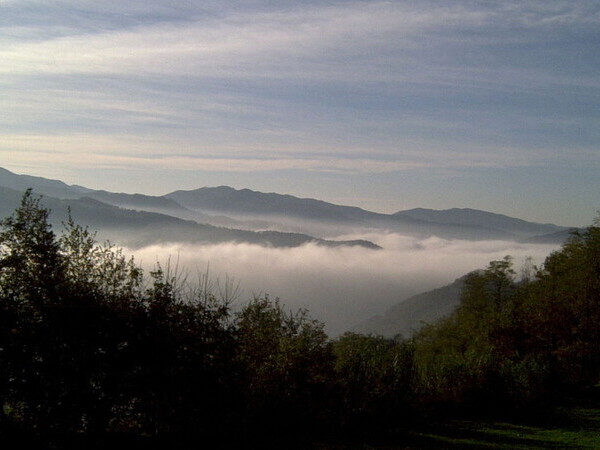
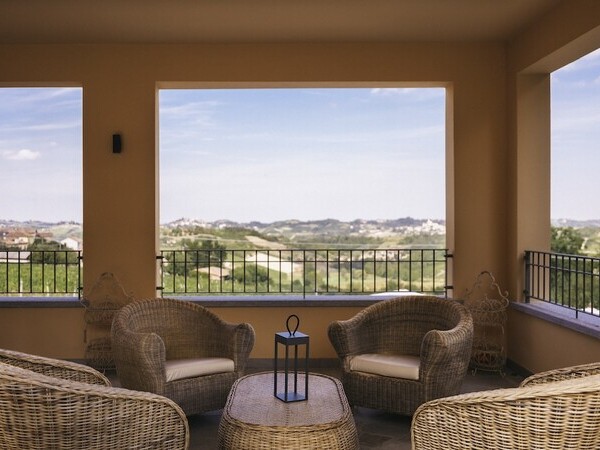
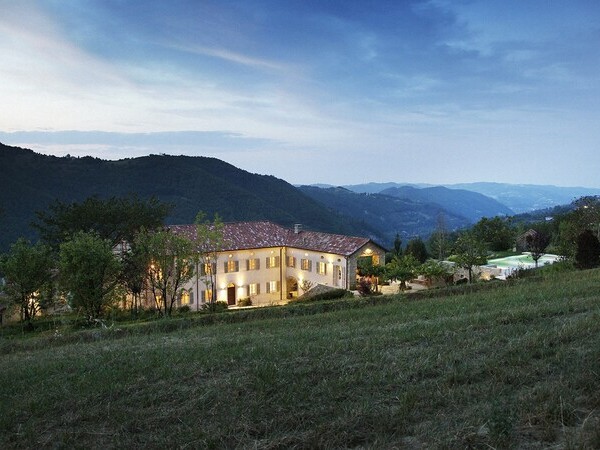
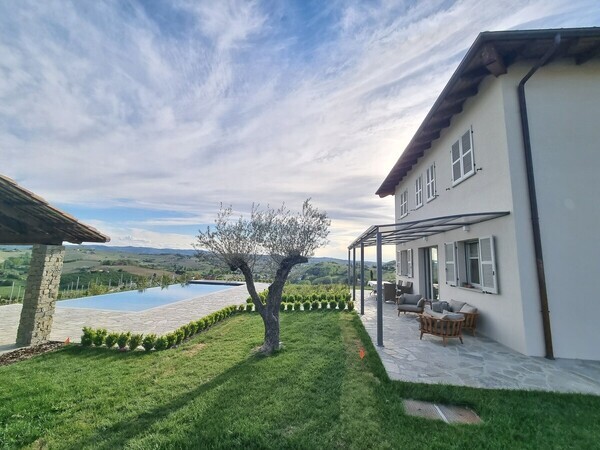
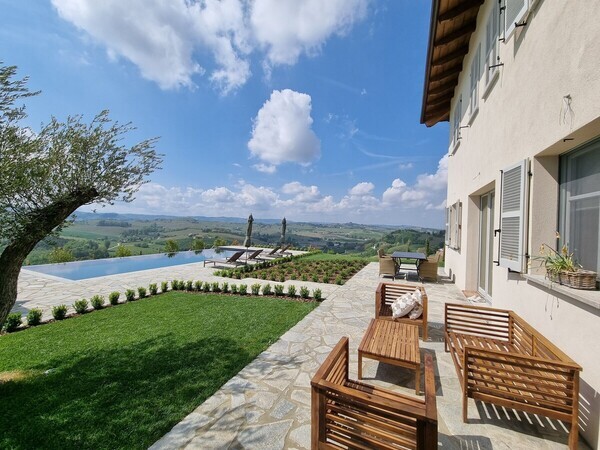
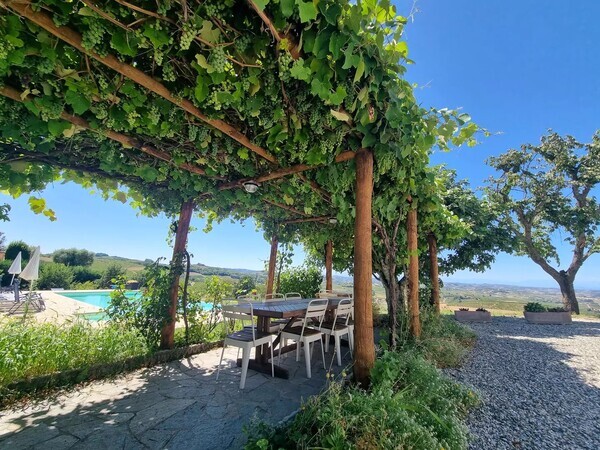
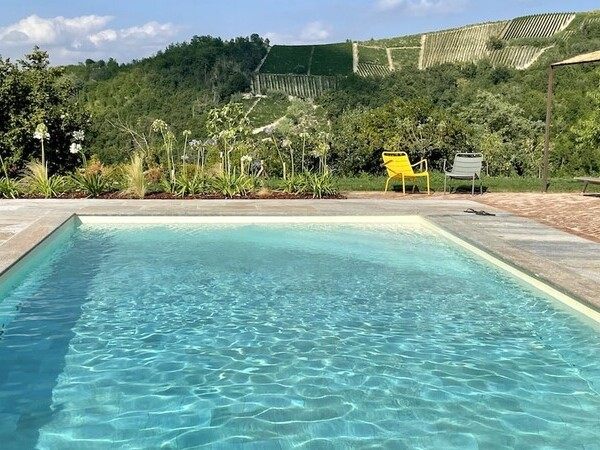
Most of our villas are located in the Monferrato hills around Nizza Monferrato and Canelli, in the Langhe near Alba and Asti, or in the higher Apennine landscapes around Roccaverano. Many properties are completely detached and enjoy wide views across vineyards and rolling countryside, reaching as far as the Alps on clear days. Selected villas also feature heated pools.
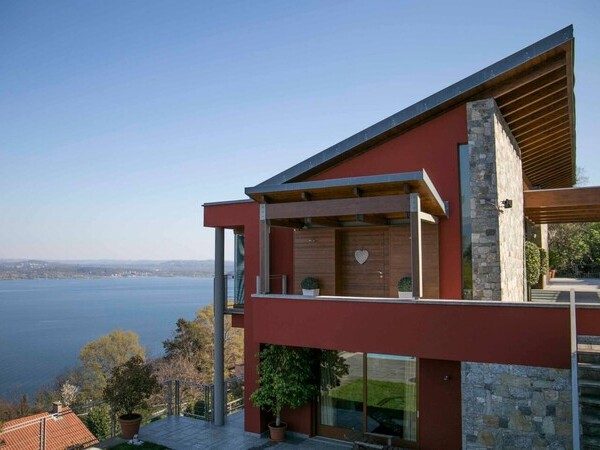
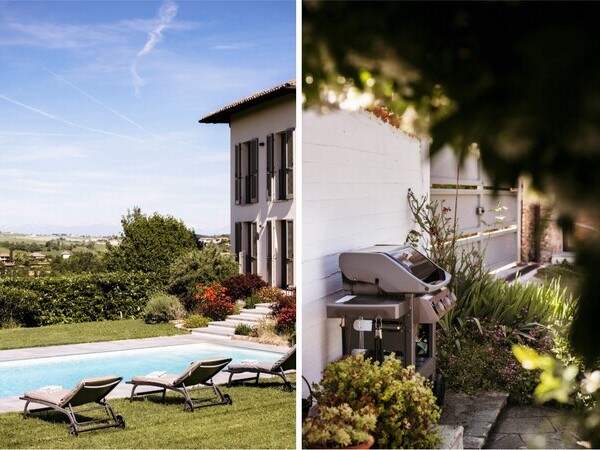
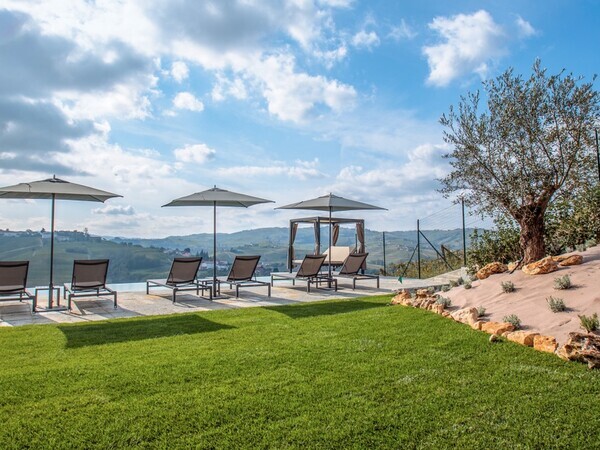
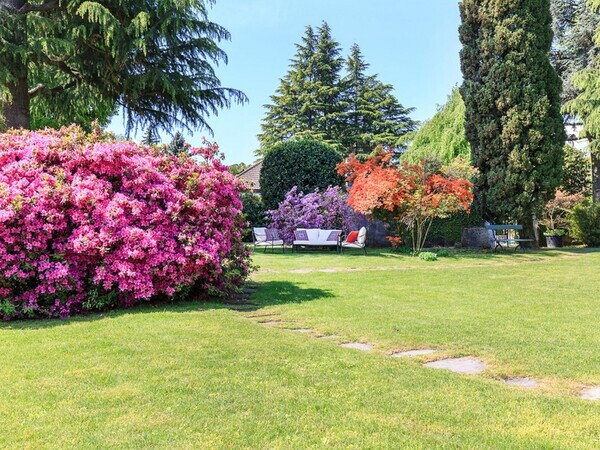
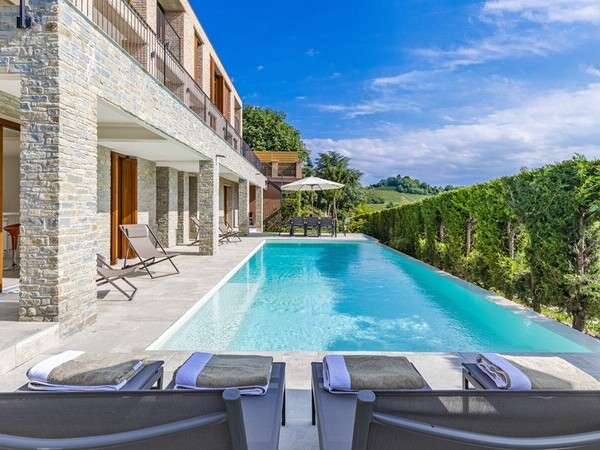
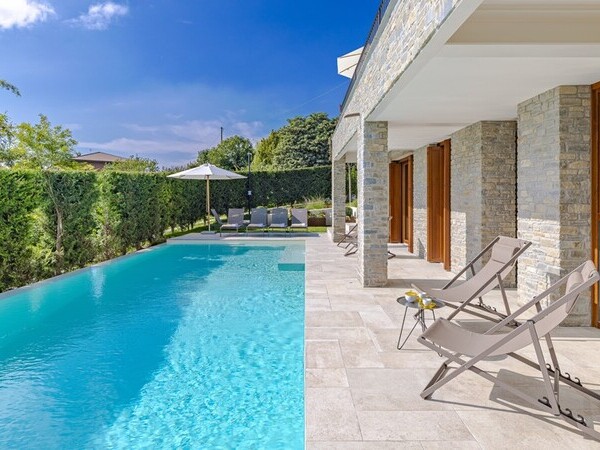
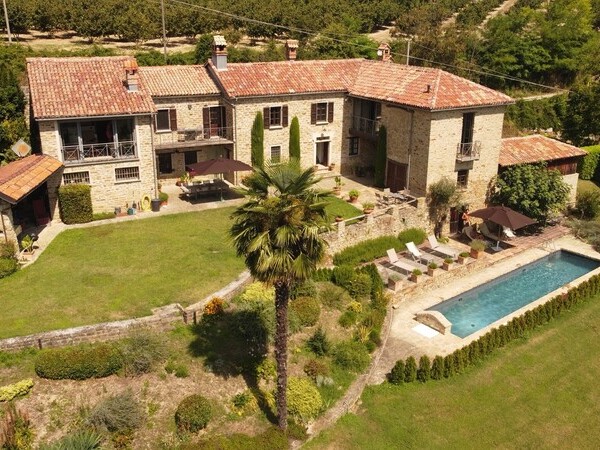
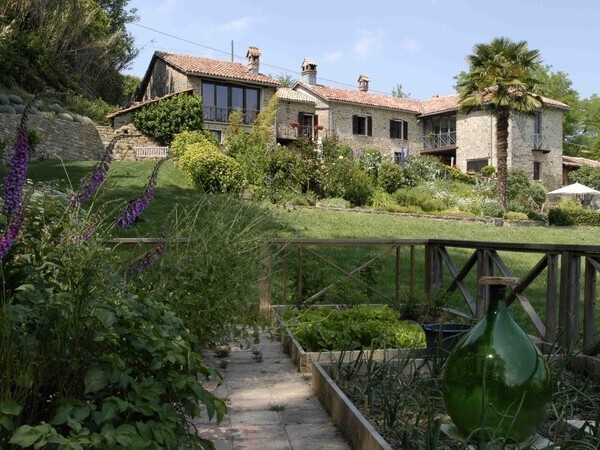
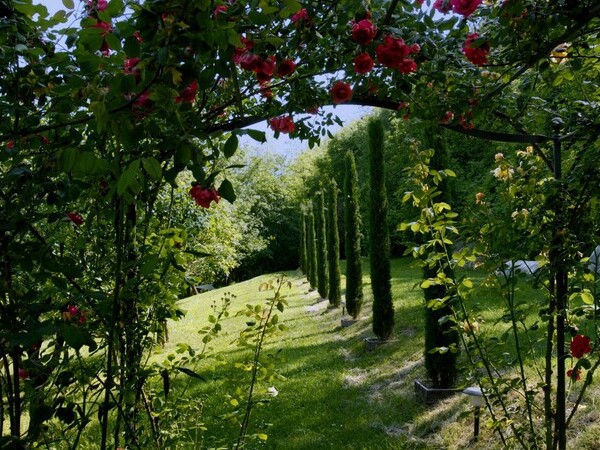
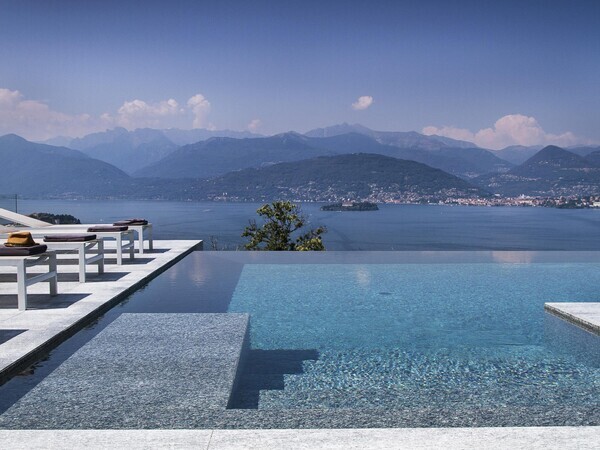
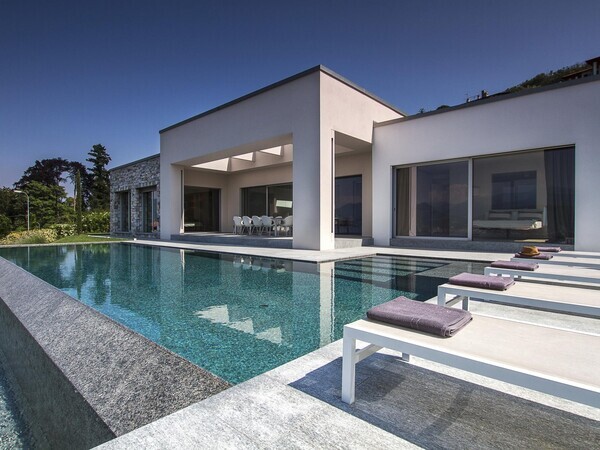
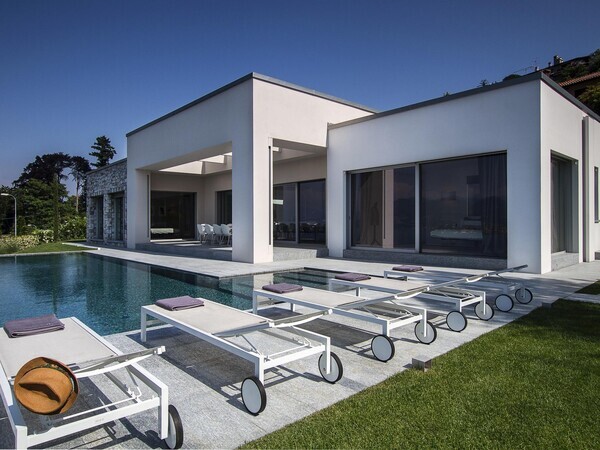
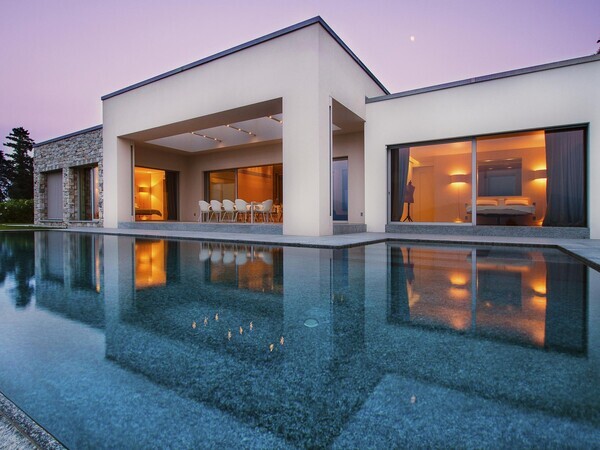
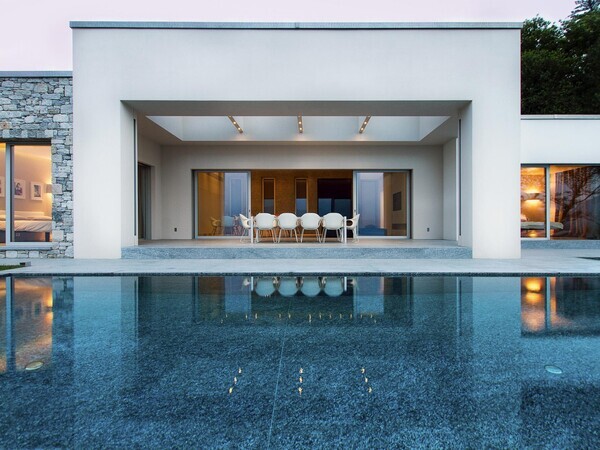
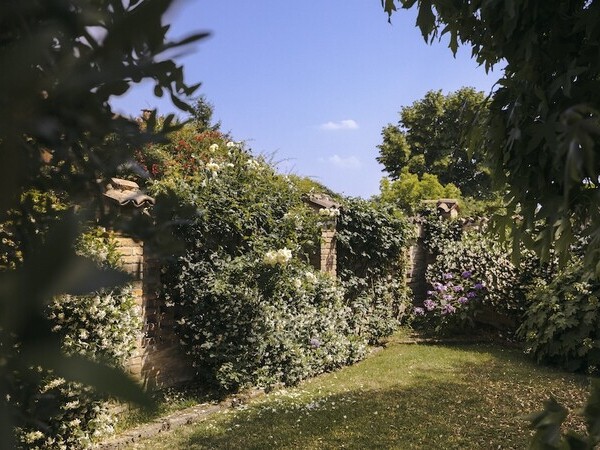
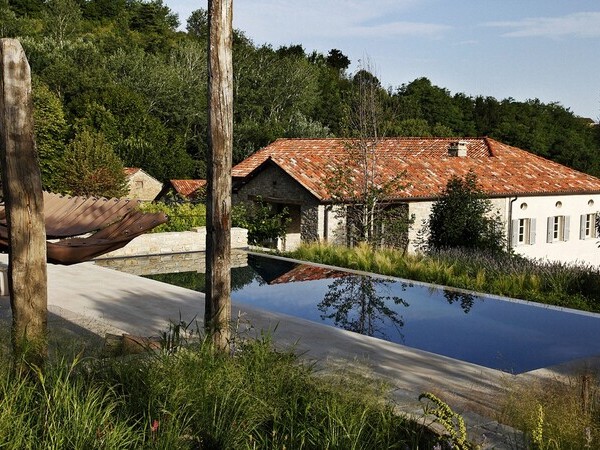
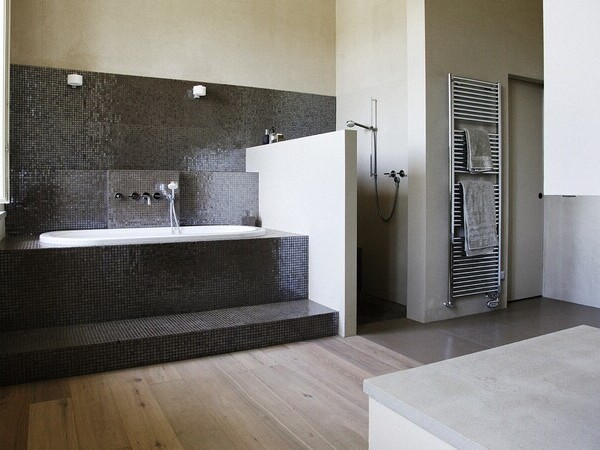
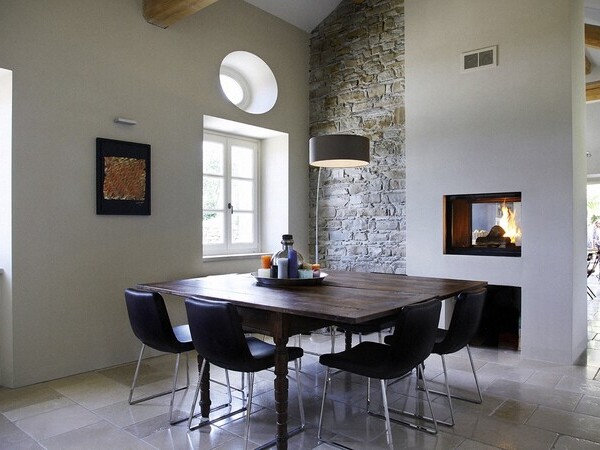
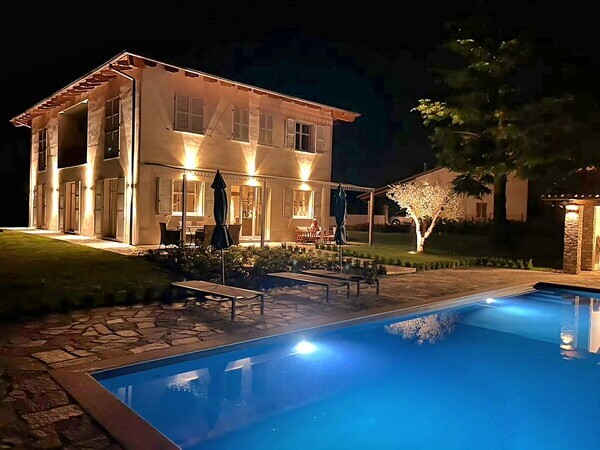
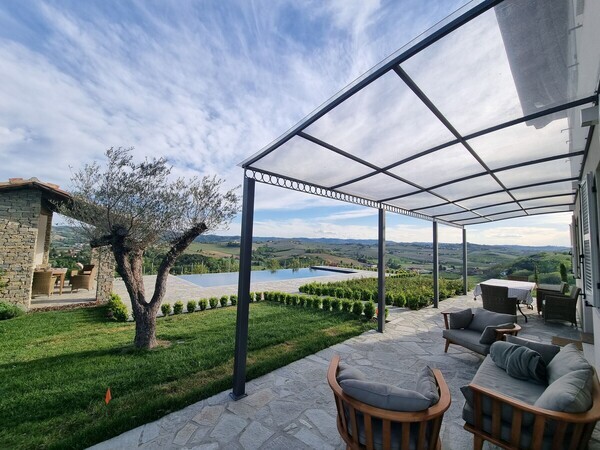
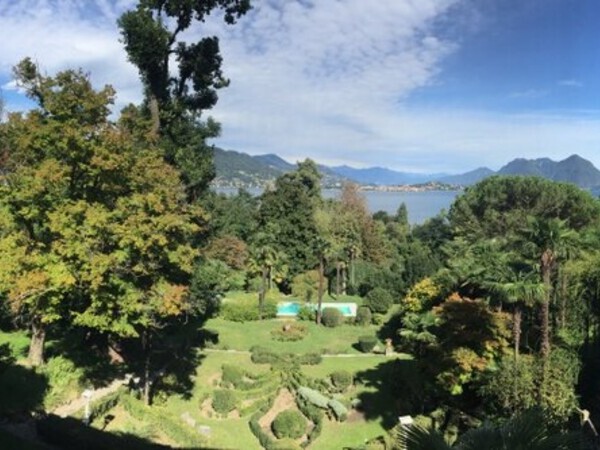
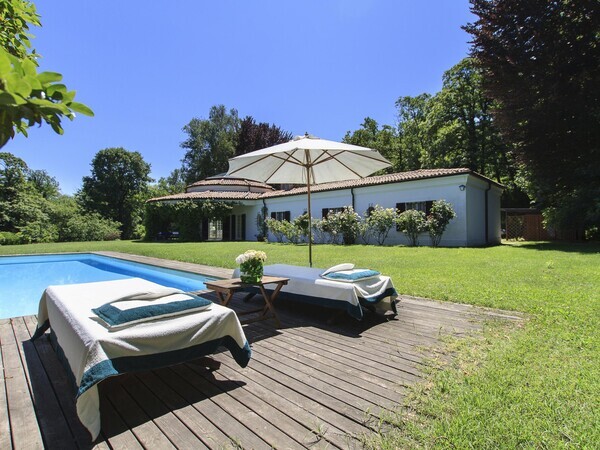
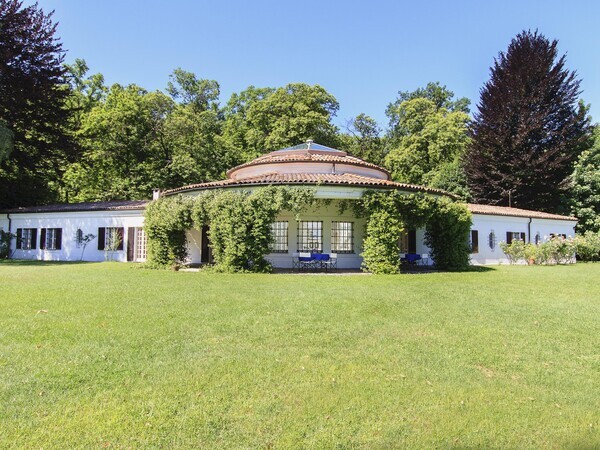
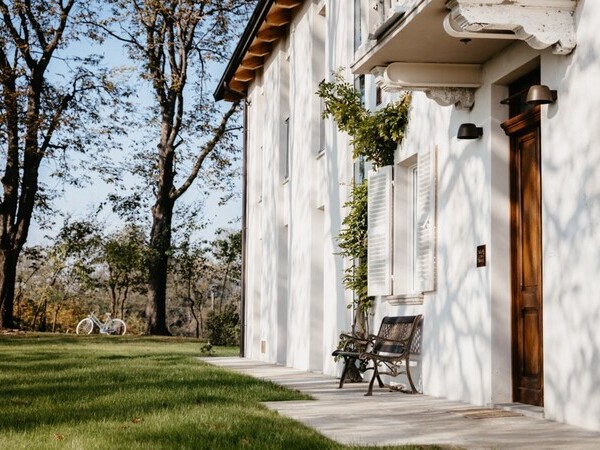
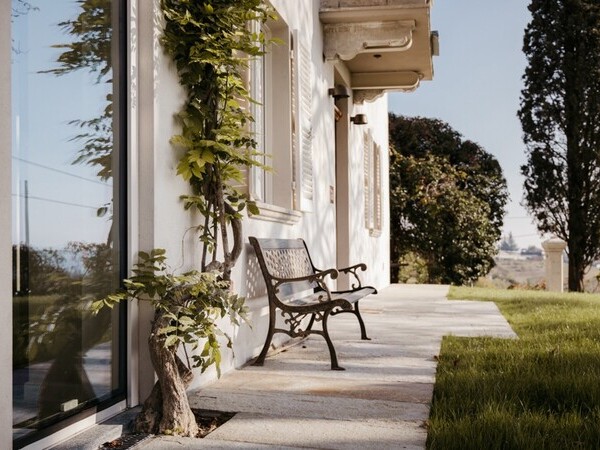
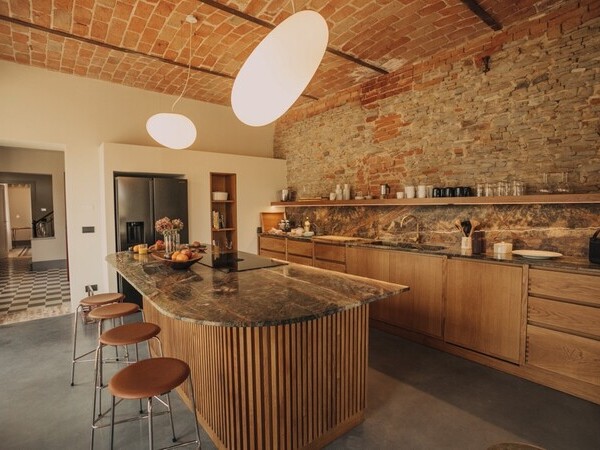
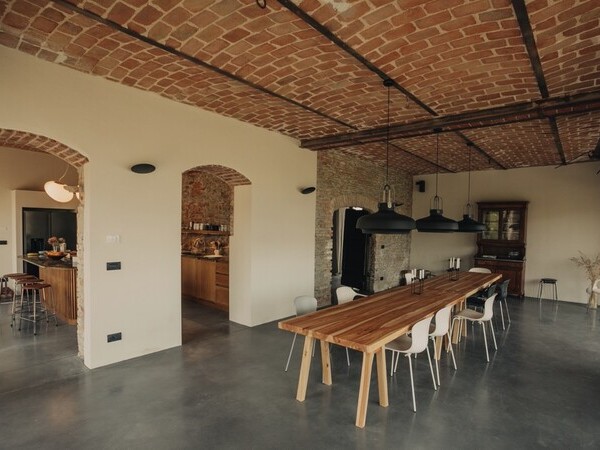
Alongside traditional country houses, the collection includes modern villas with refined interiors and distinctive architecture, such as Cascina Toetto. Cascina Monferrato is surrounded by an exceptional garden designed by a Milan-based landscape architect, making the outdoor setting an integral part of the holiday experience.
We personally select all of our properties. Use the filters to narrow down your choice by number of guests, price or features.
46 Villas

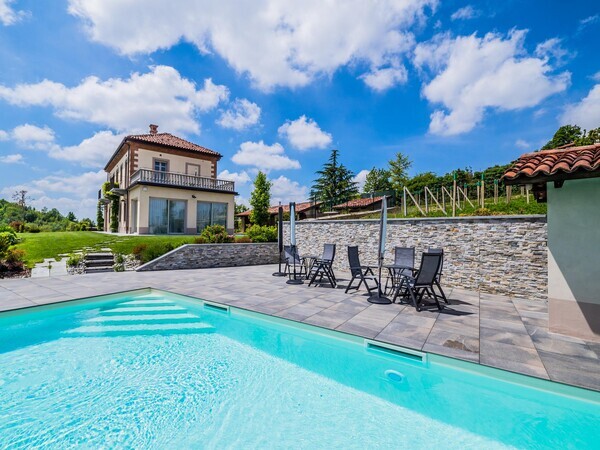
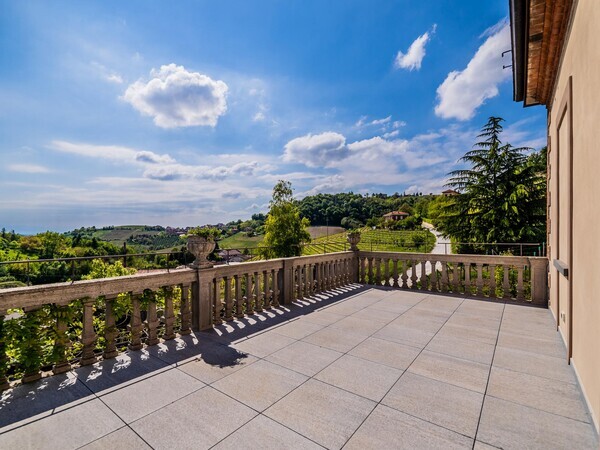
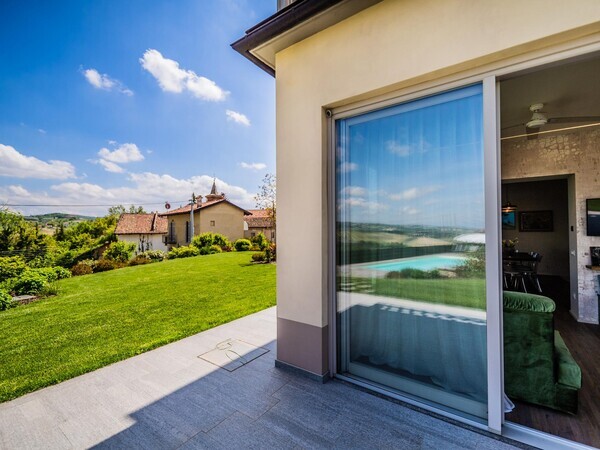
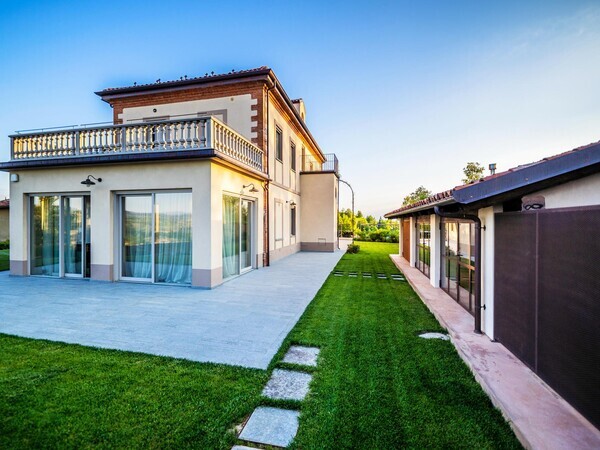
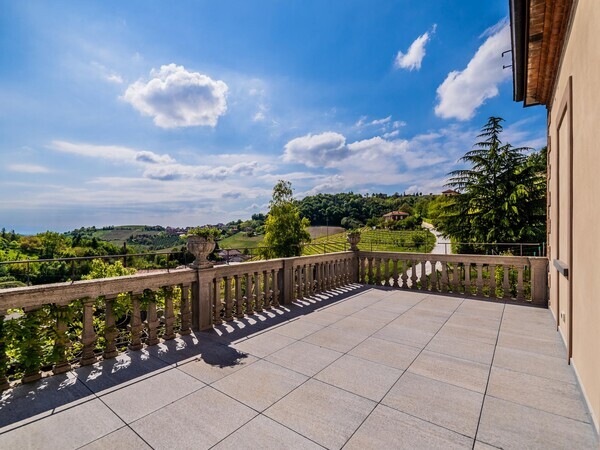
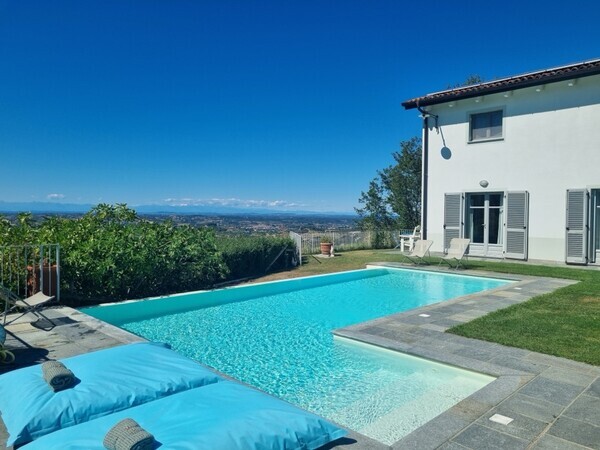
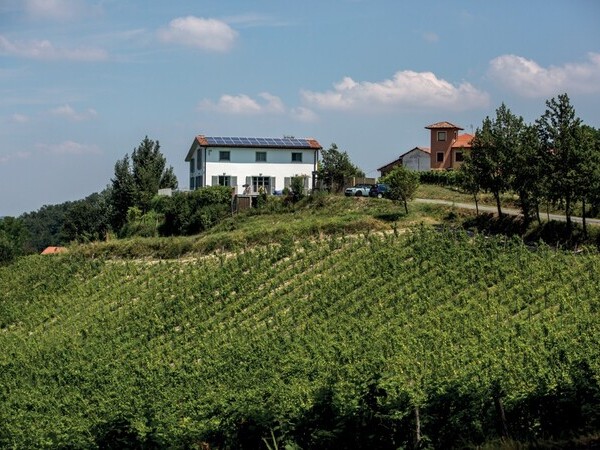
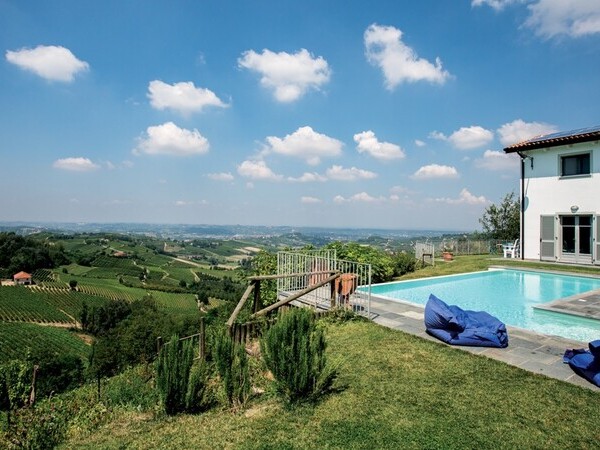
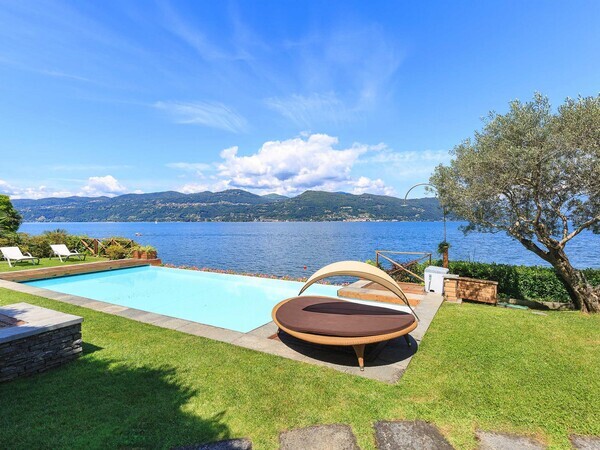
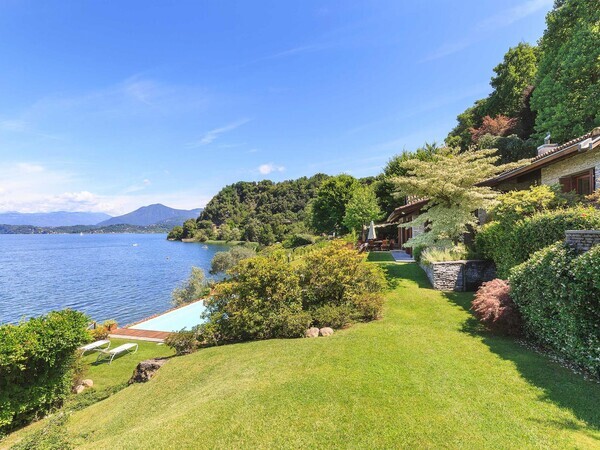
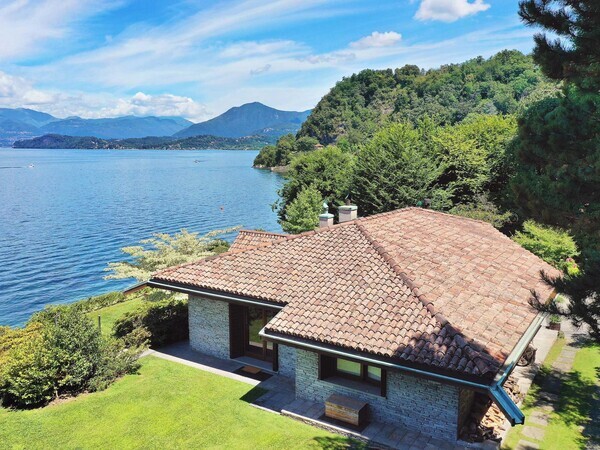
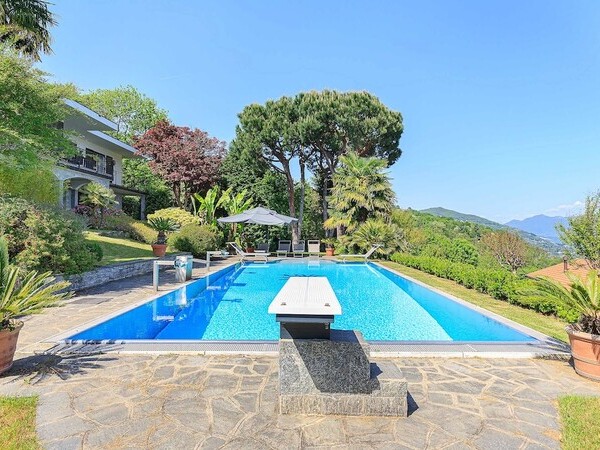
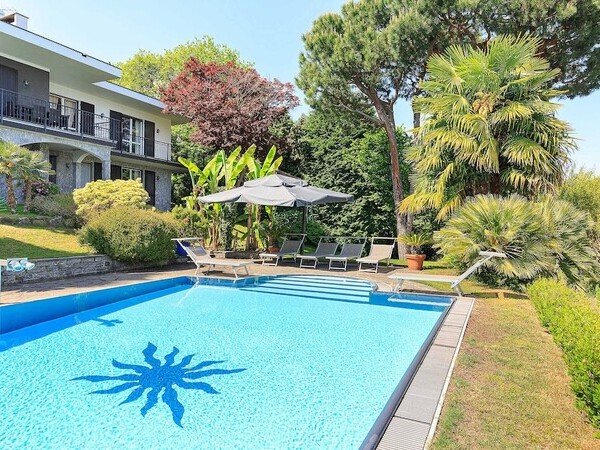
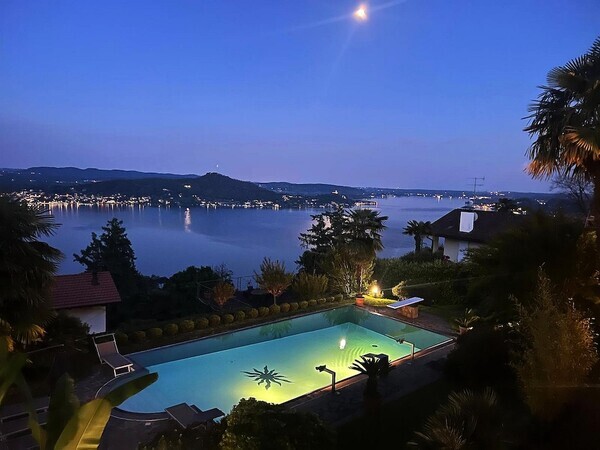
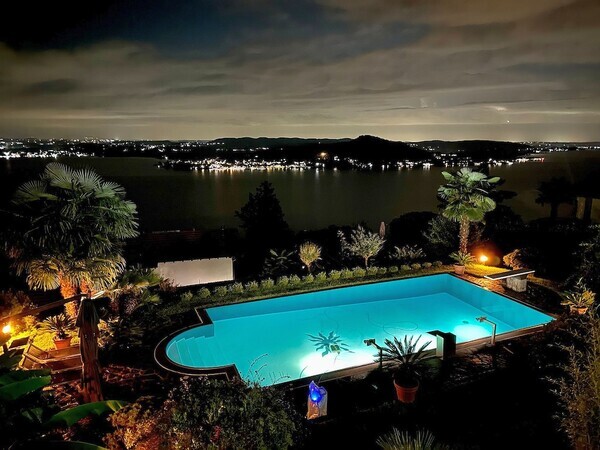
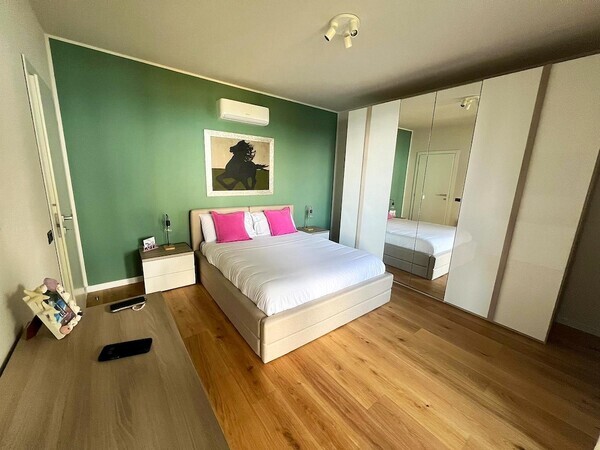
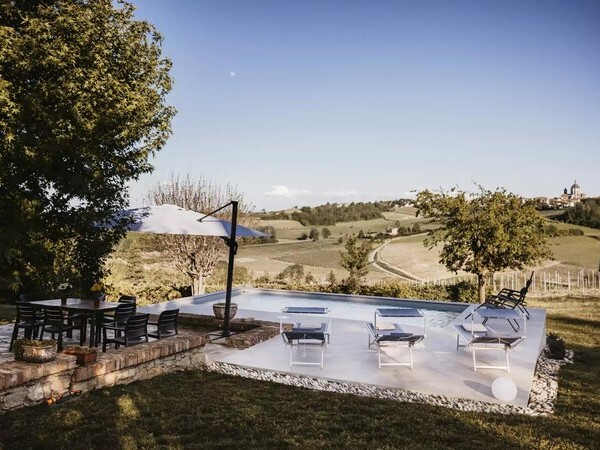
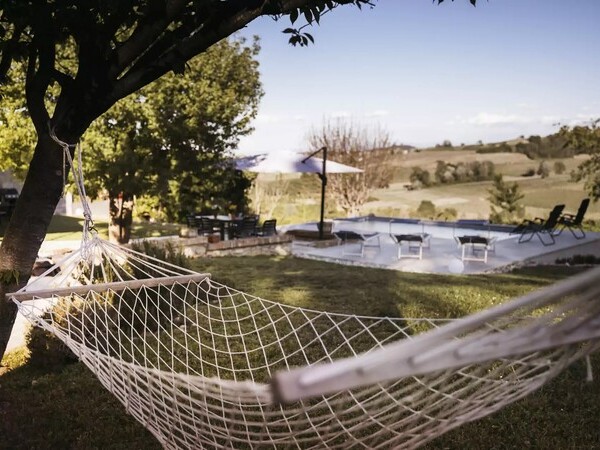
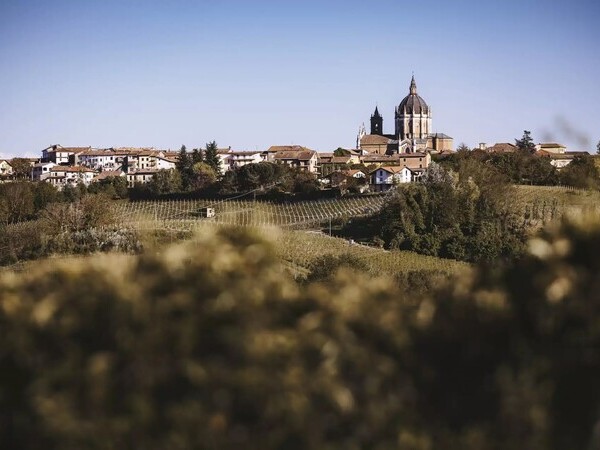
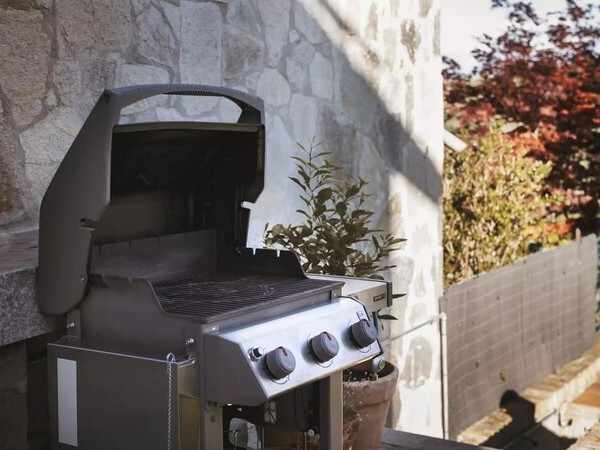
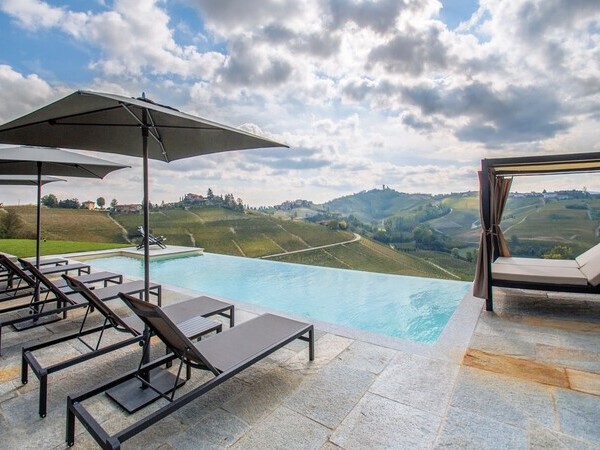
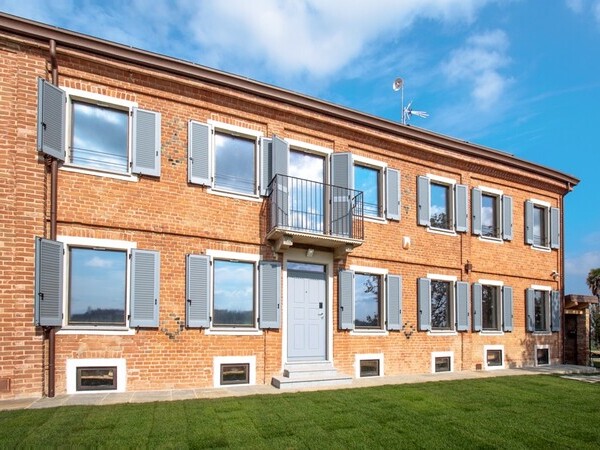
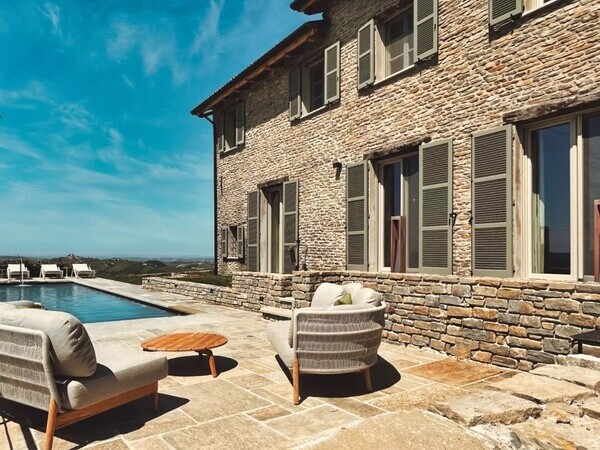
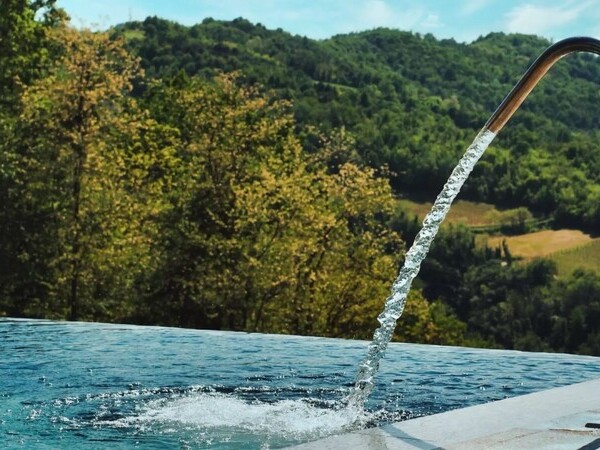
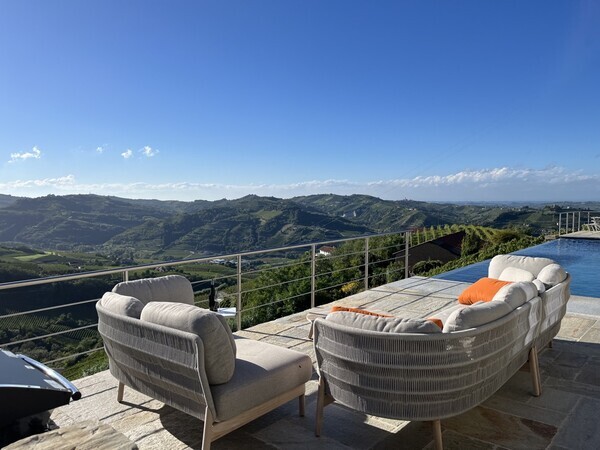
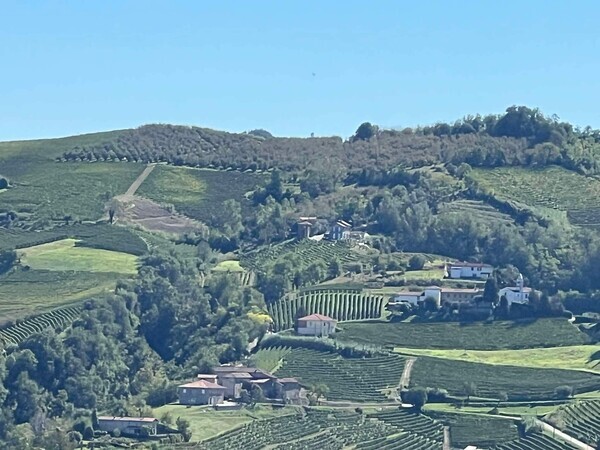
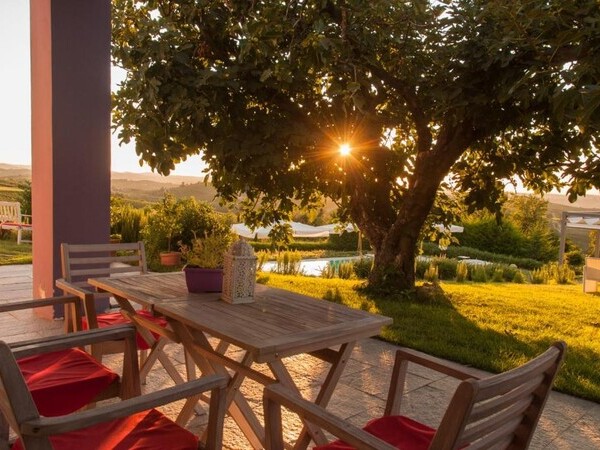
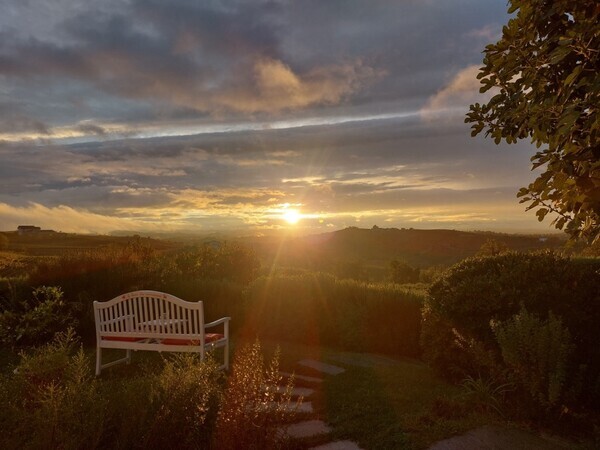
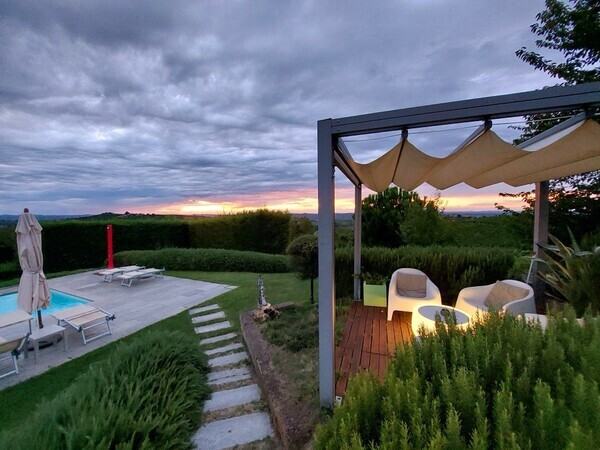
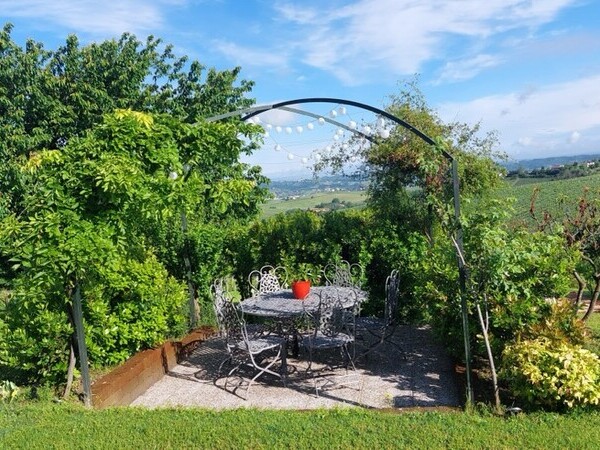
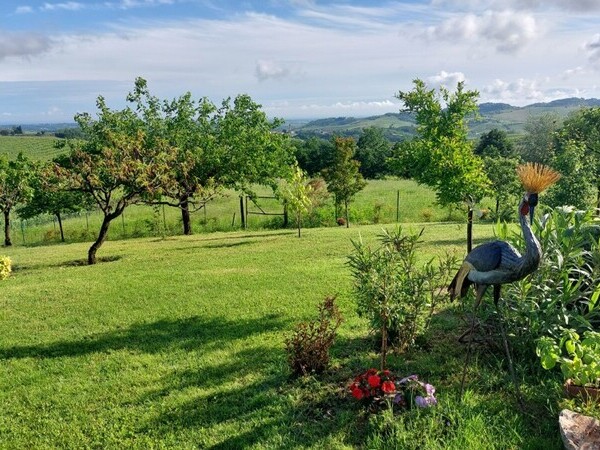
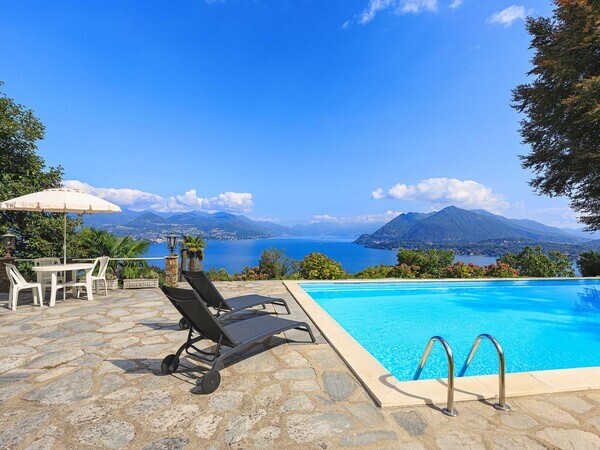
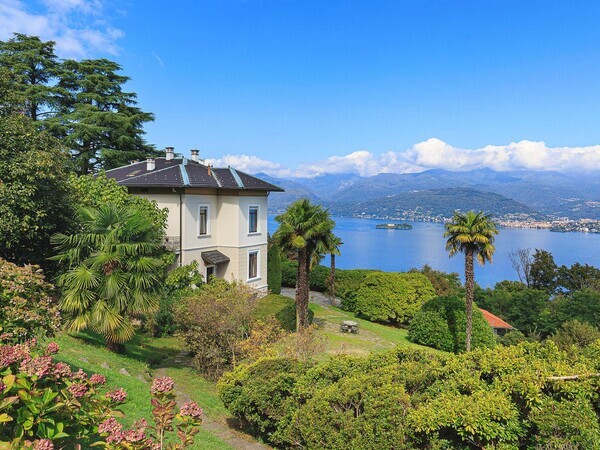
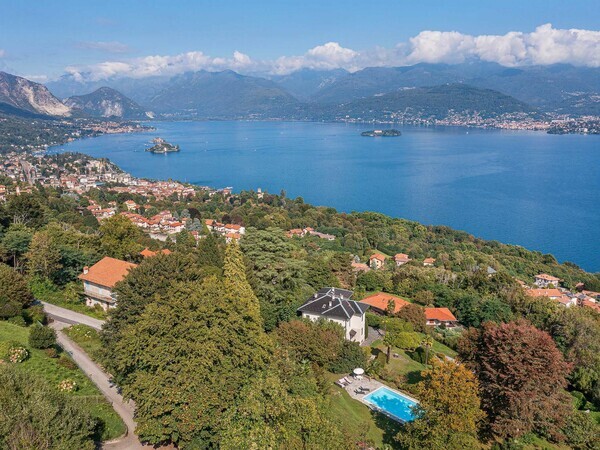
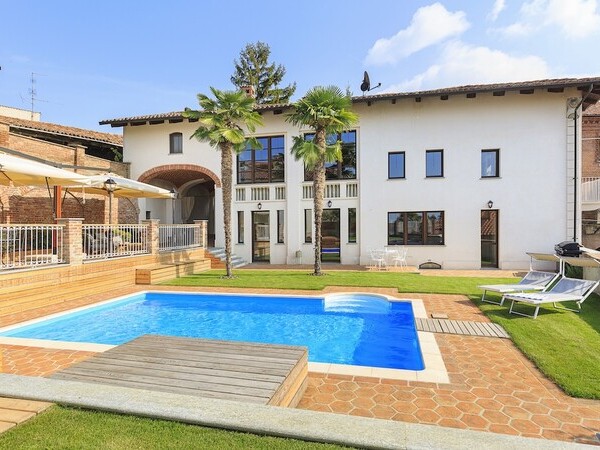
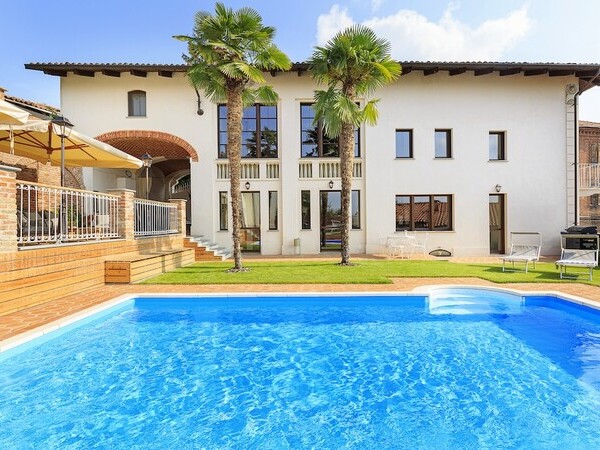
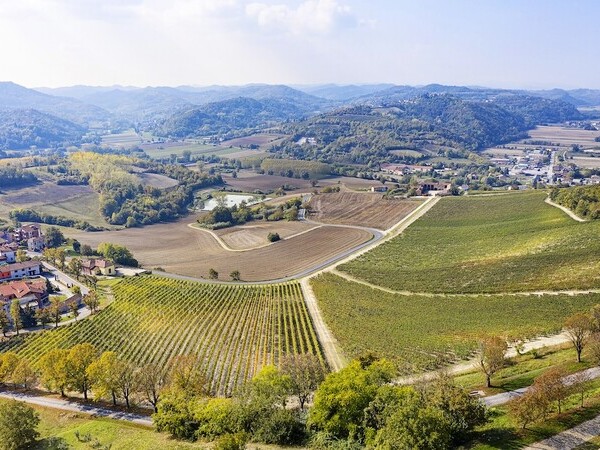
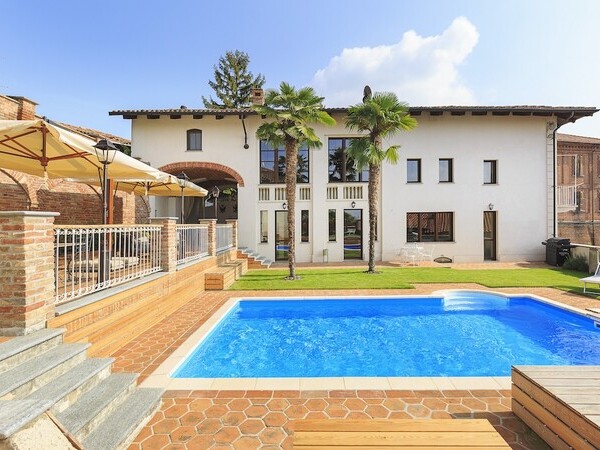
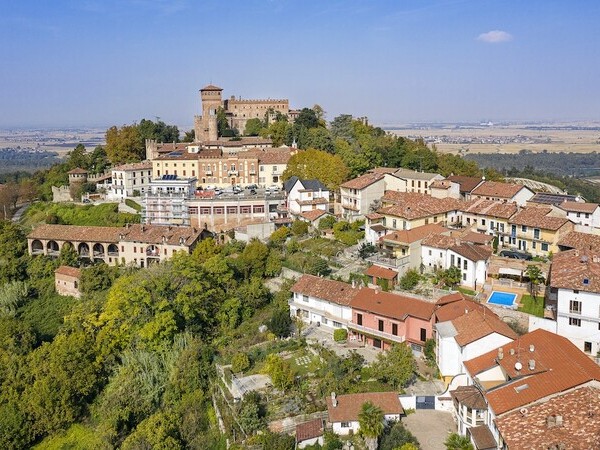
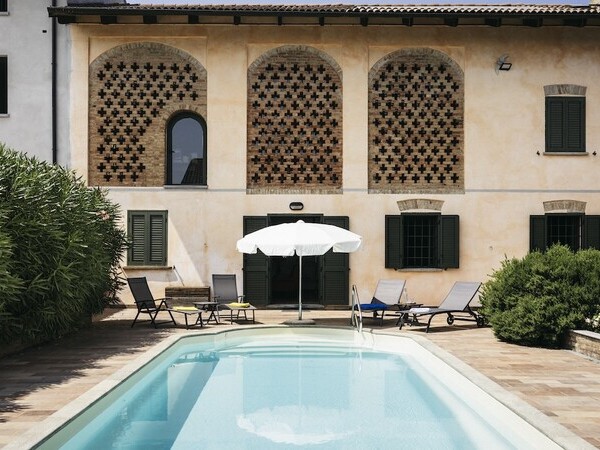
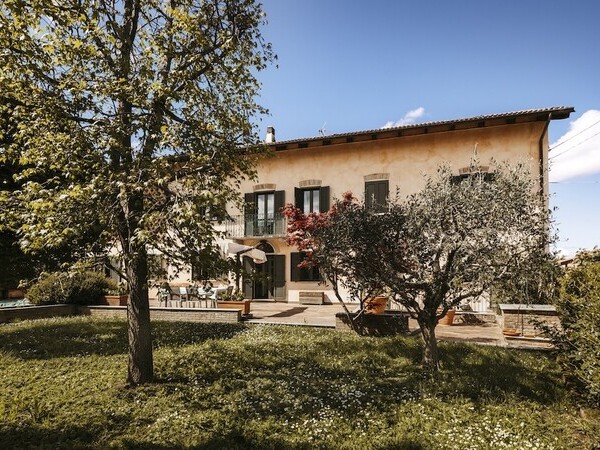
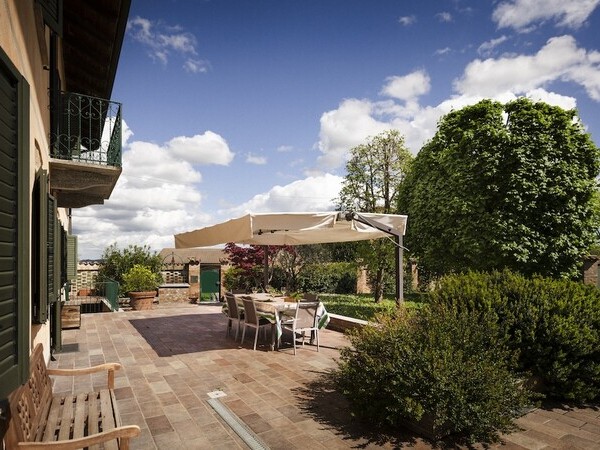
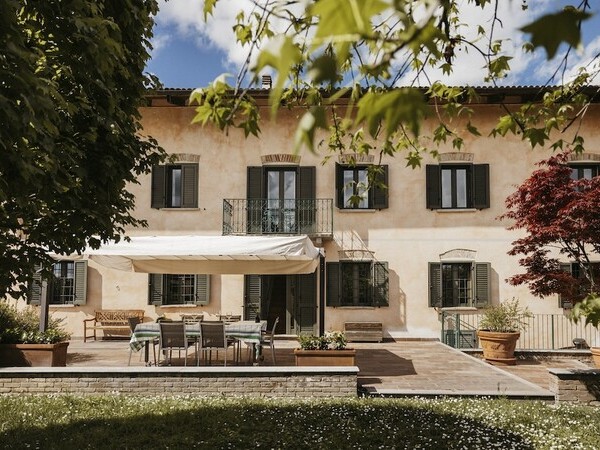
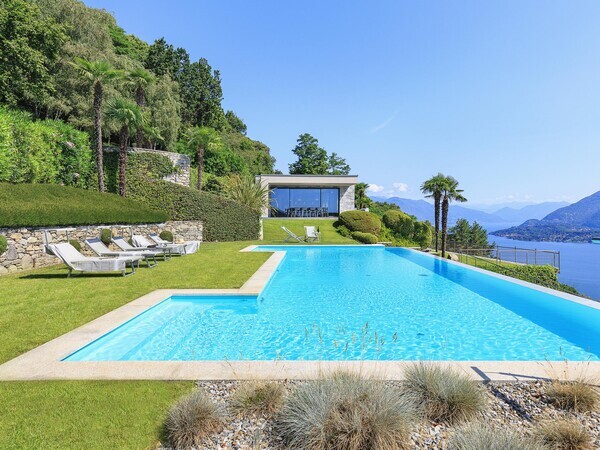
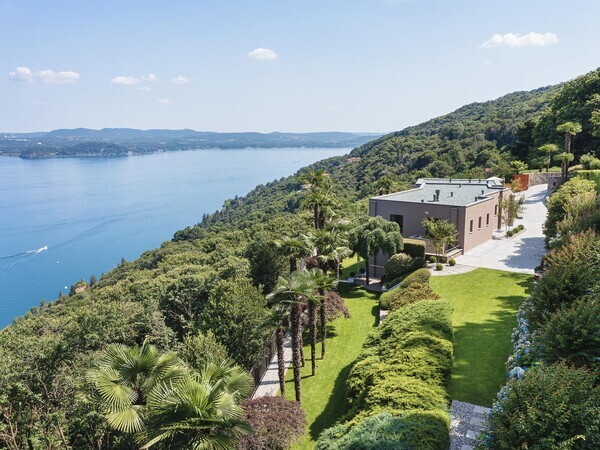
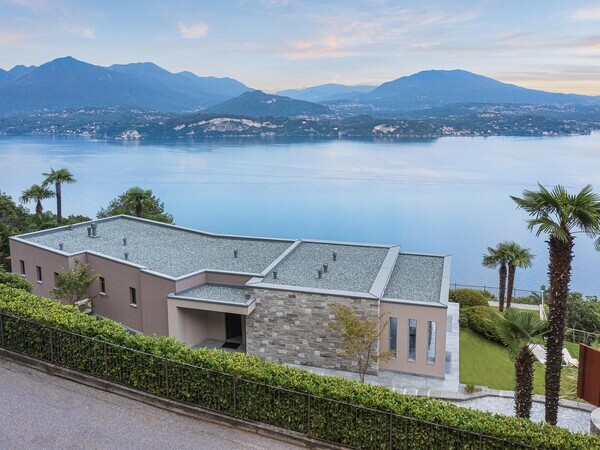
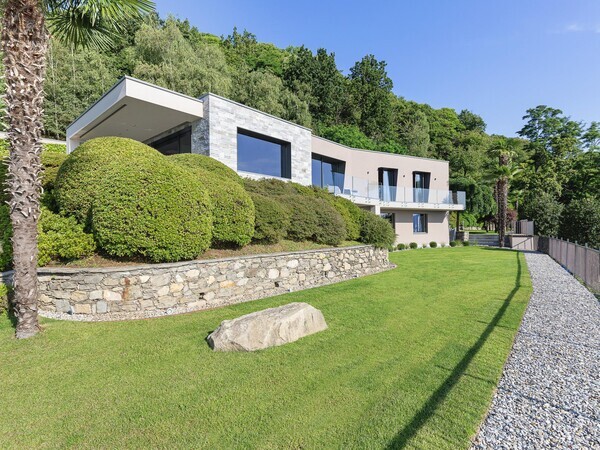
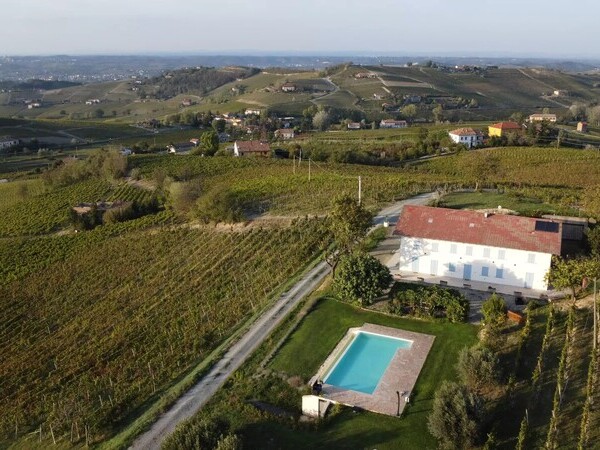
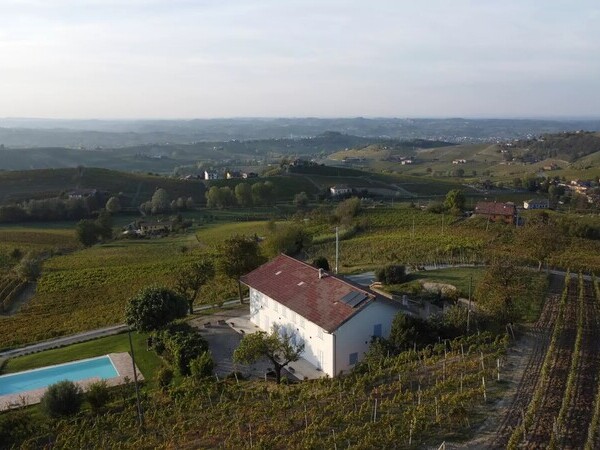
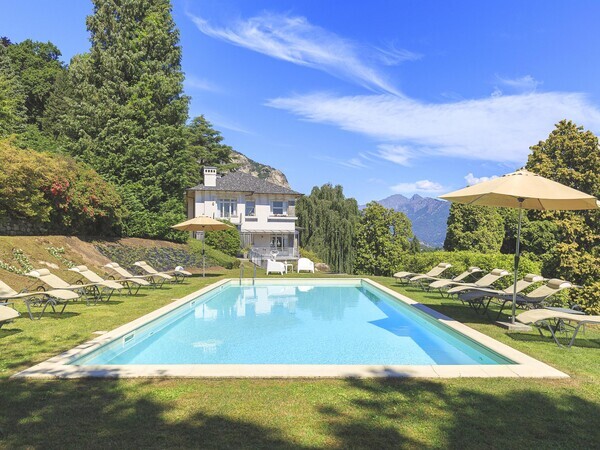
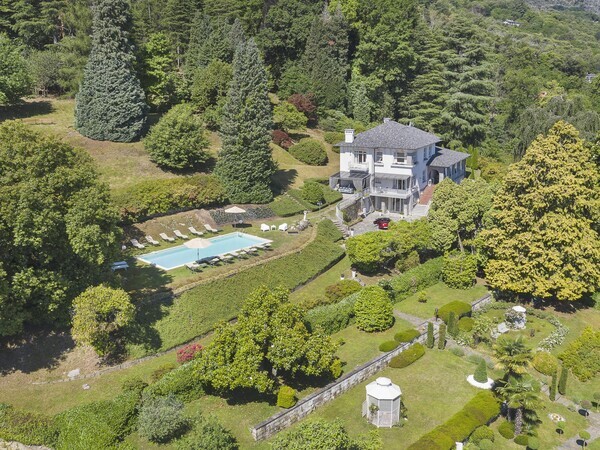
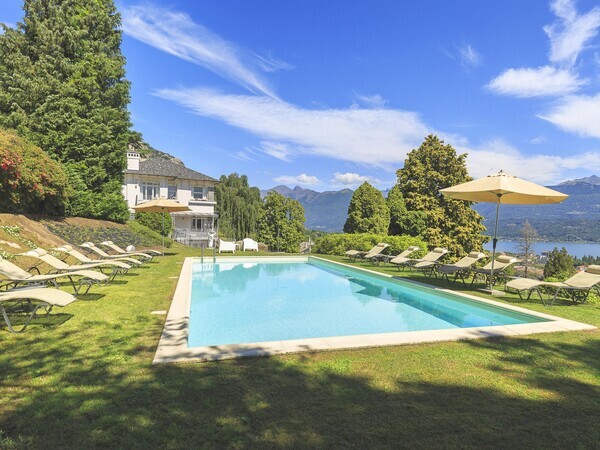
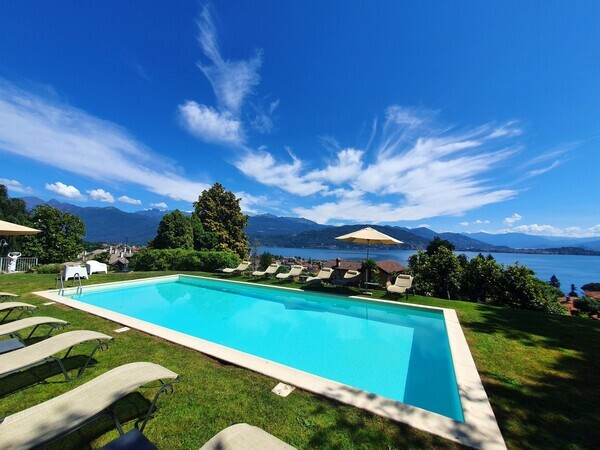
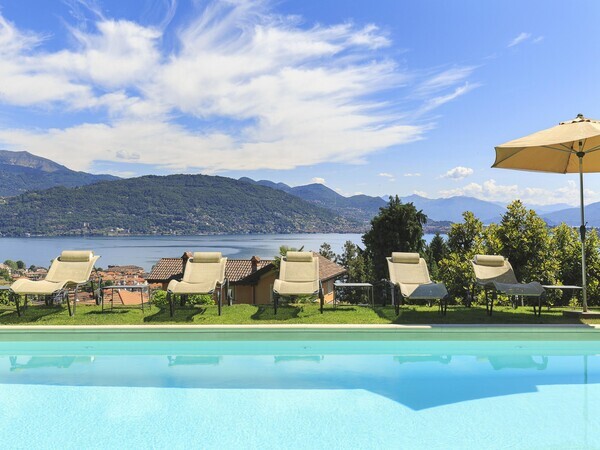
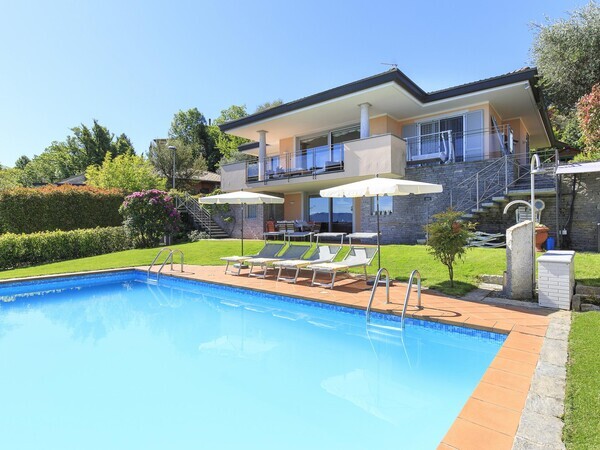
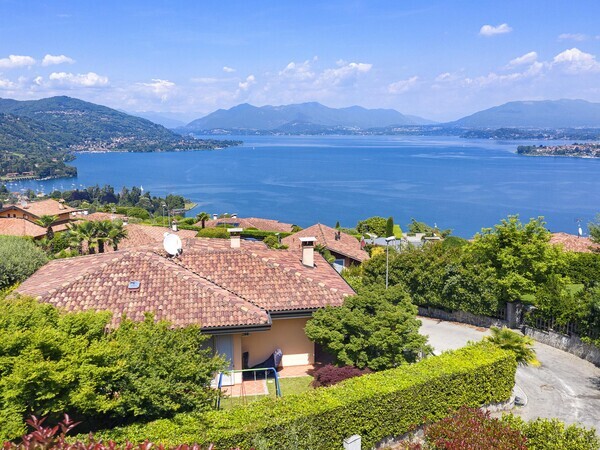
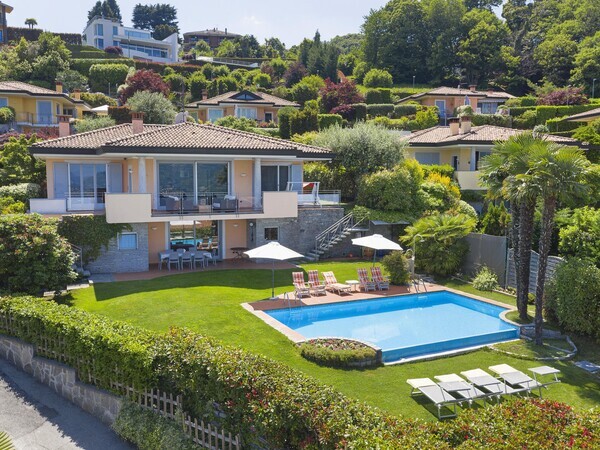
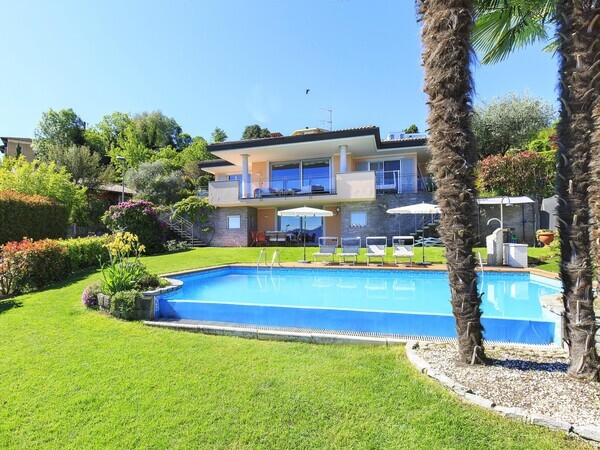
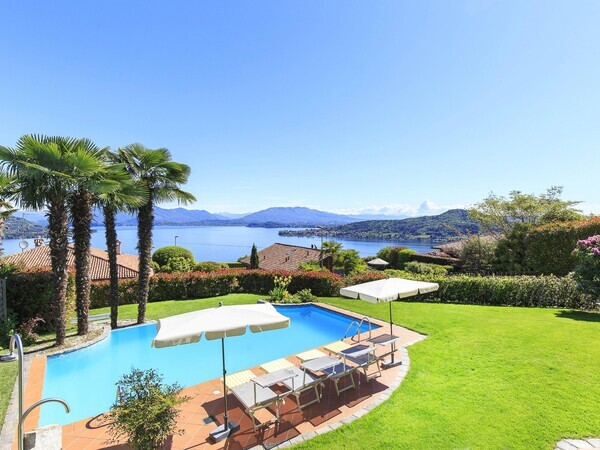
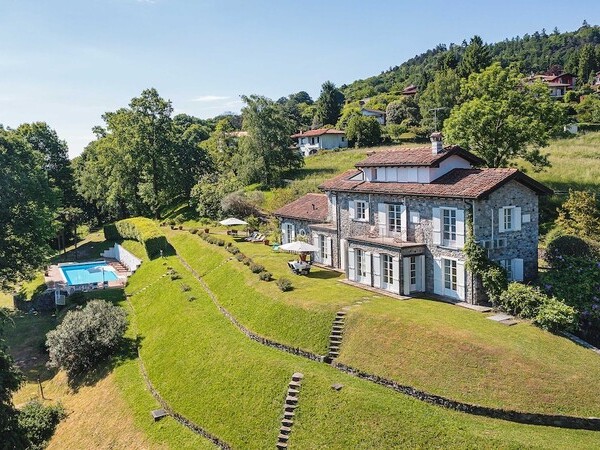
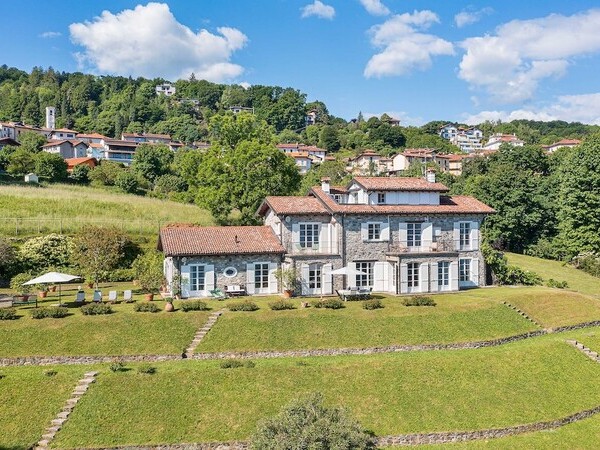
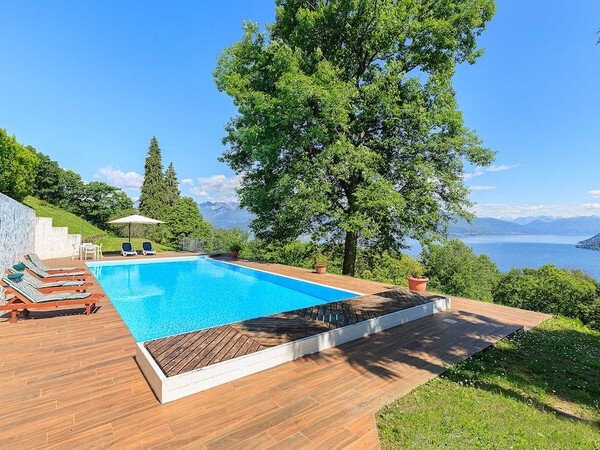
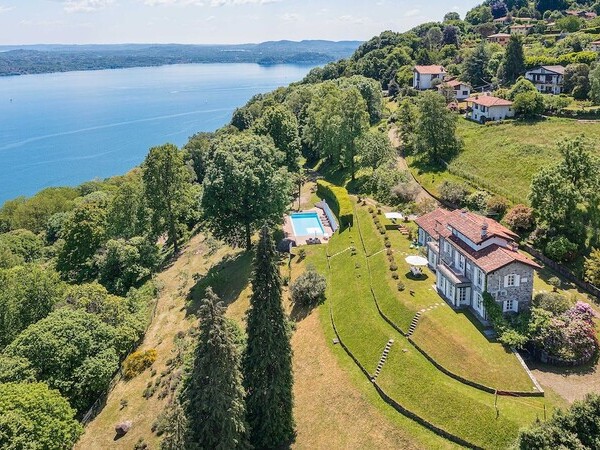
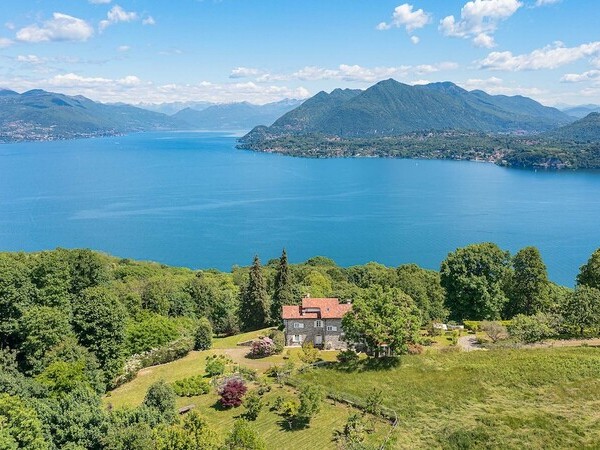
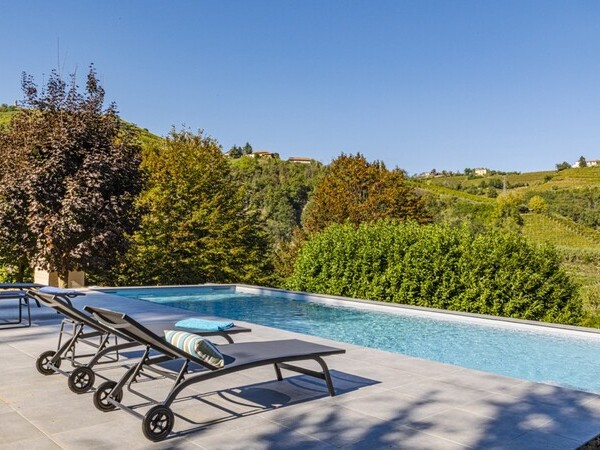
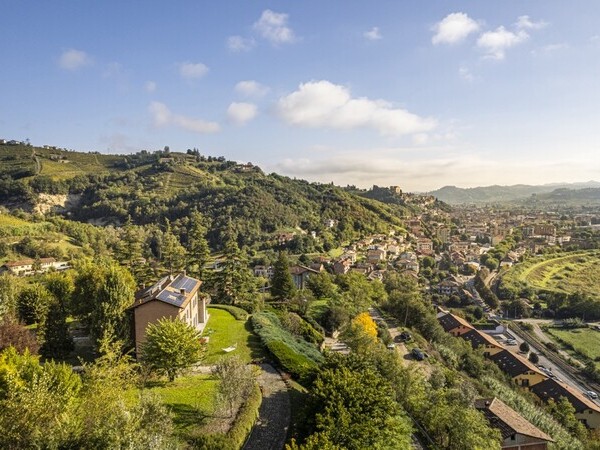
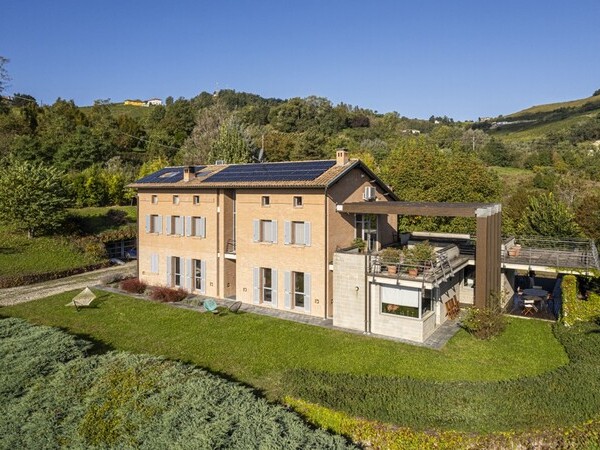
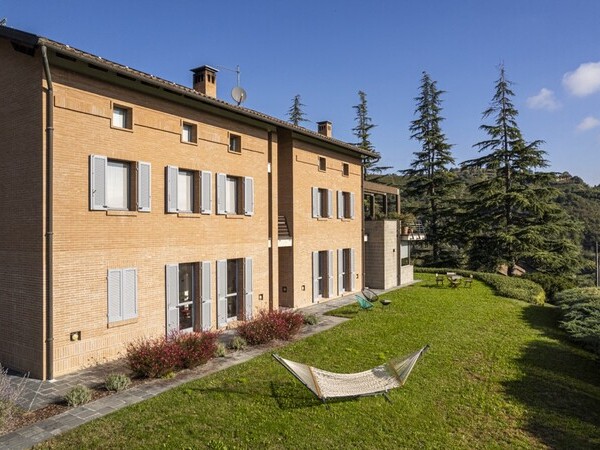
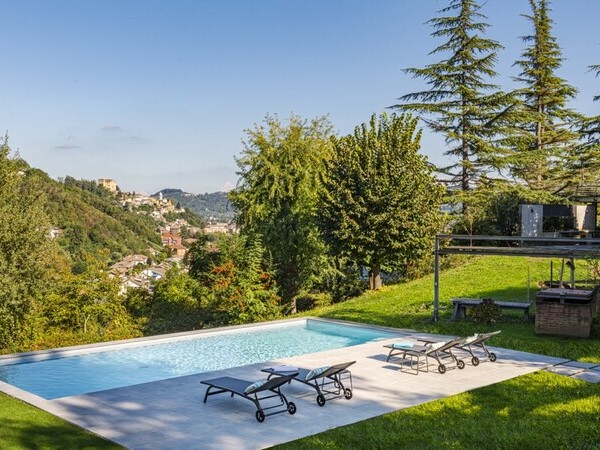
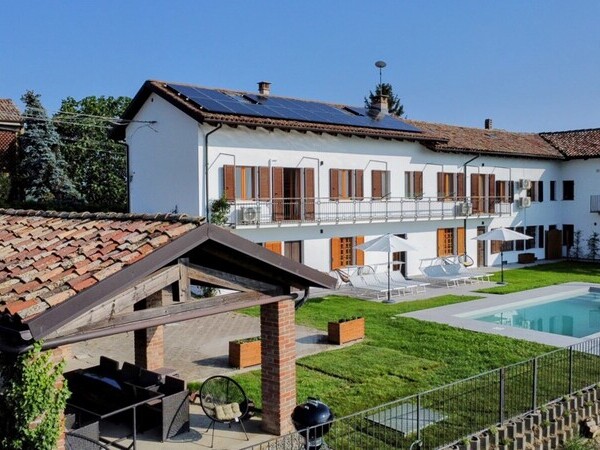
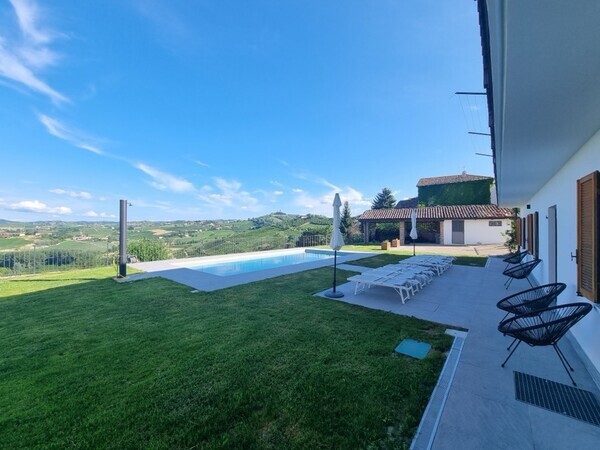
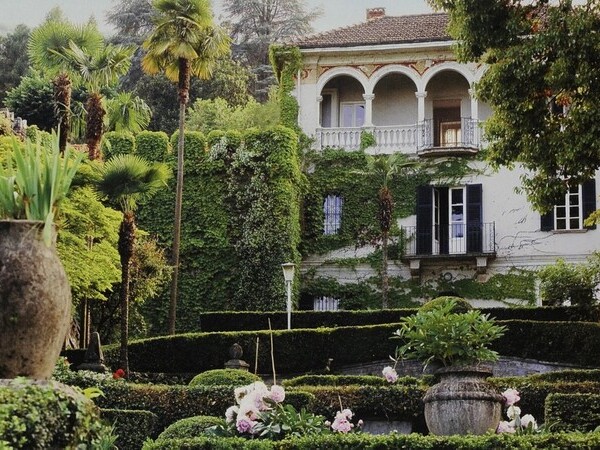
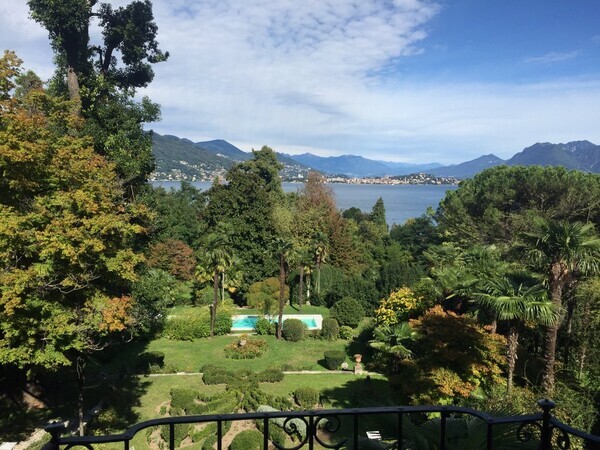
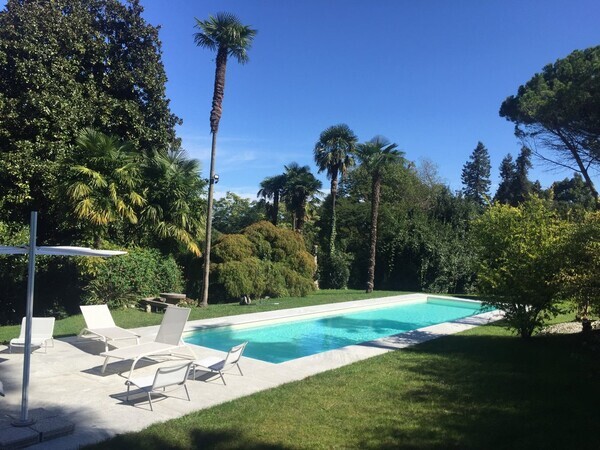
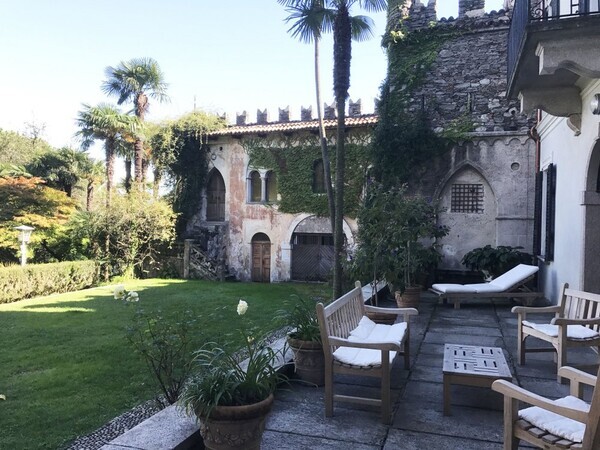
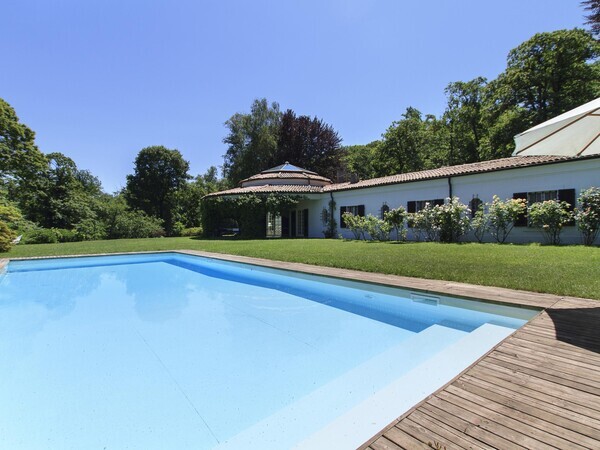
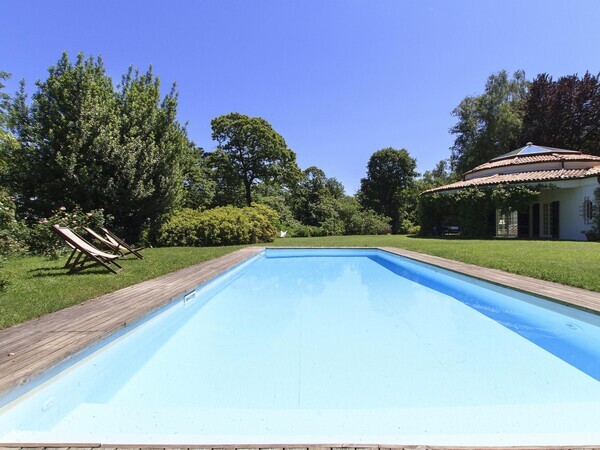
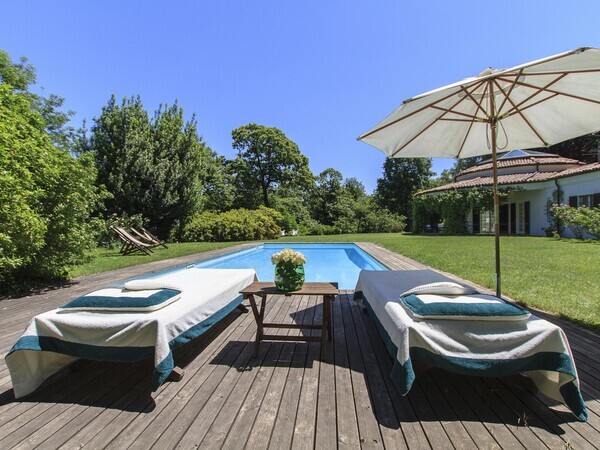
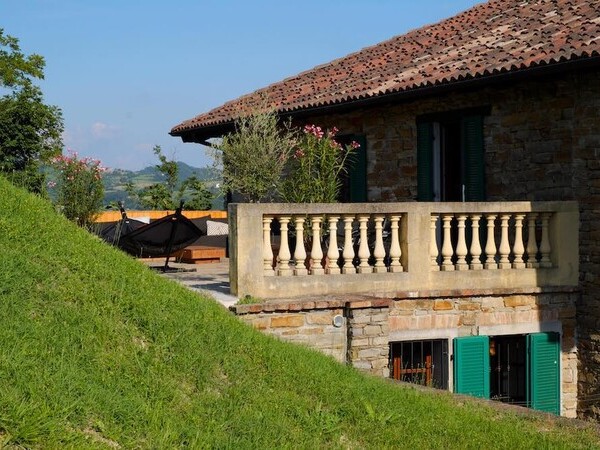
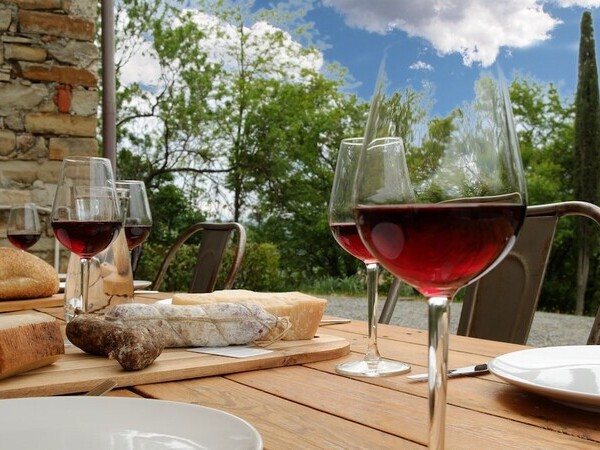
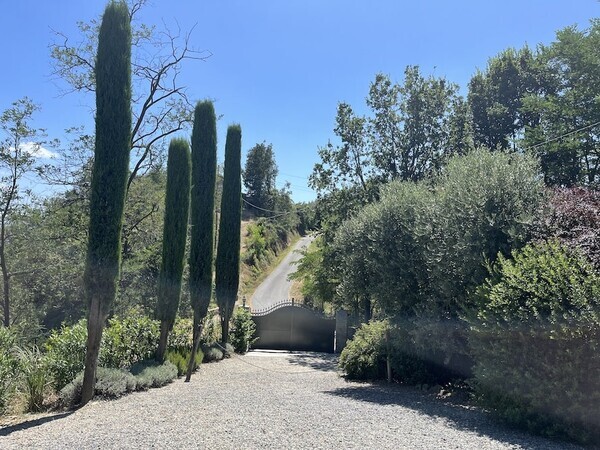
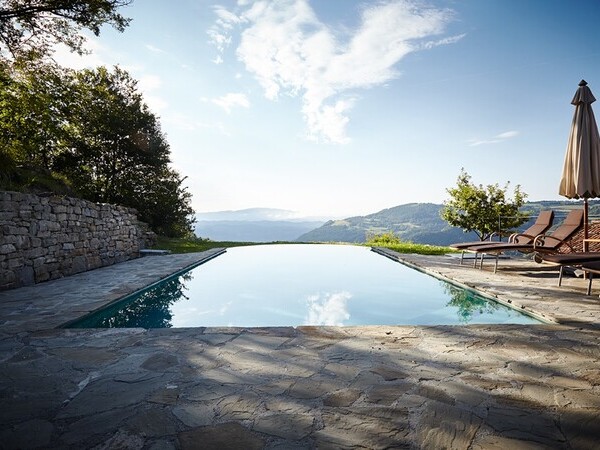
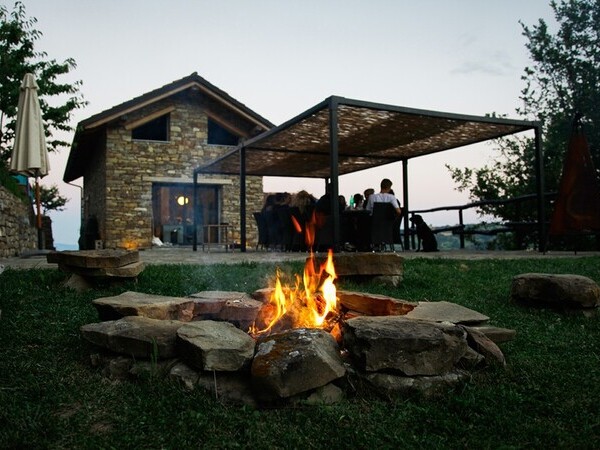
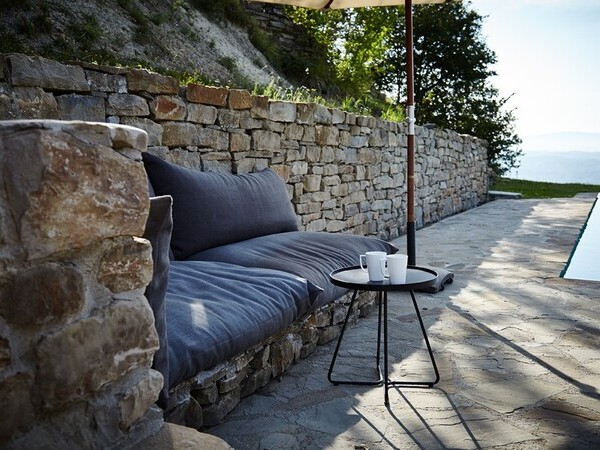
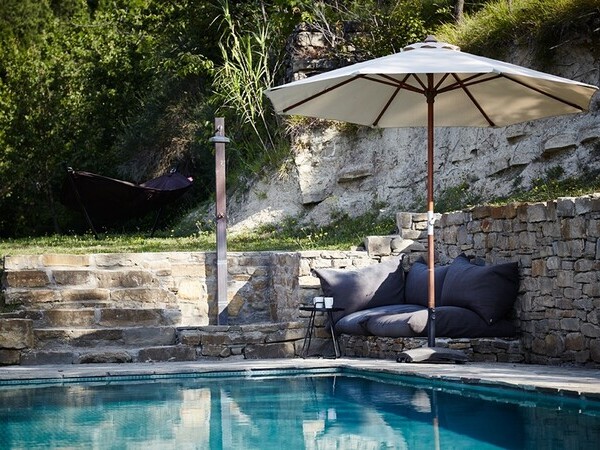
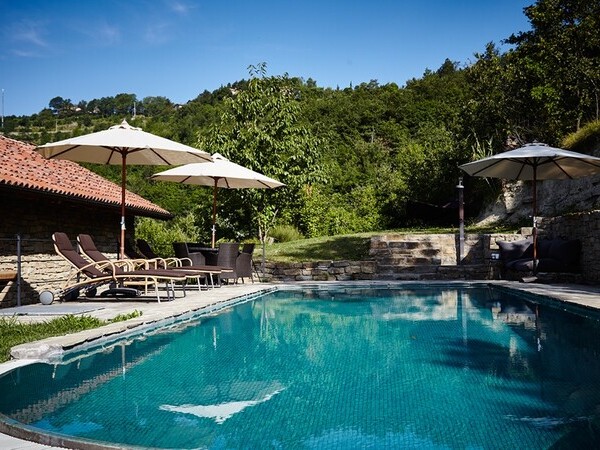
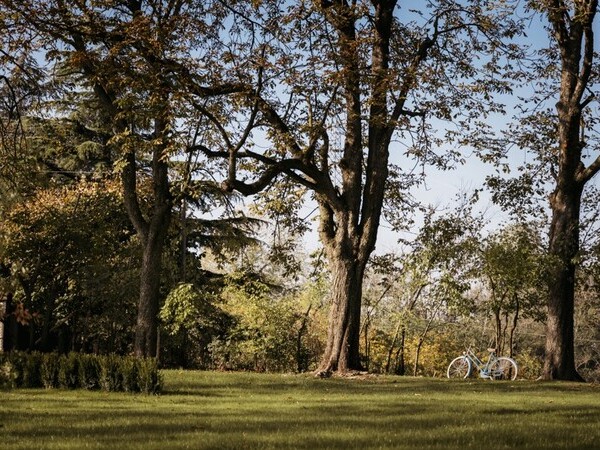
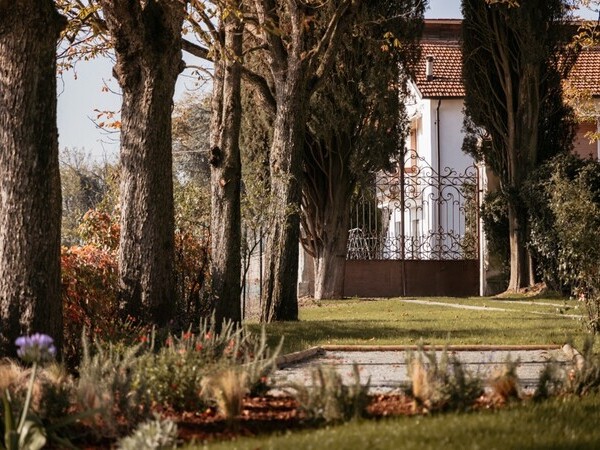
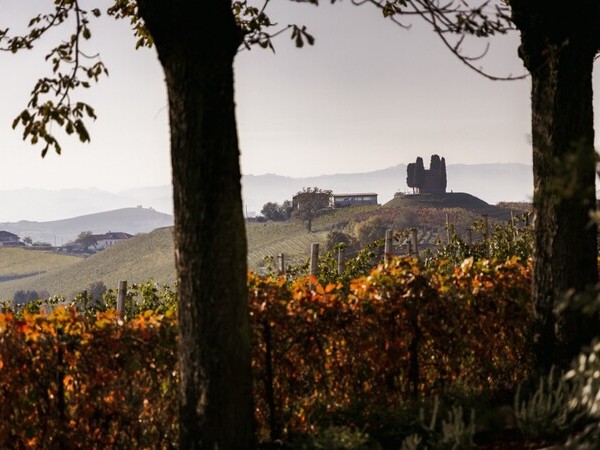
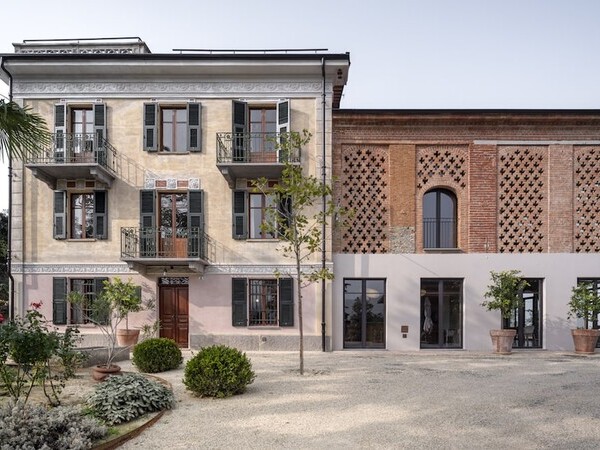
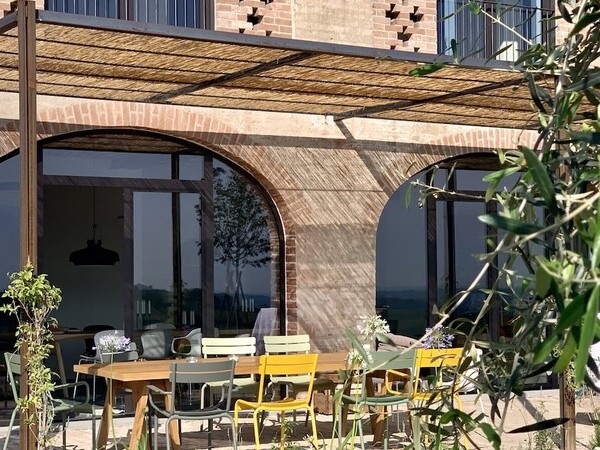
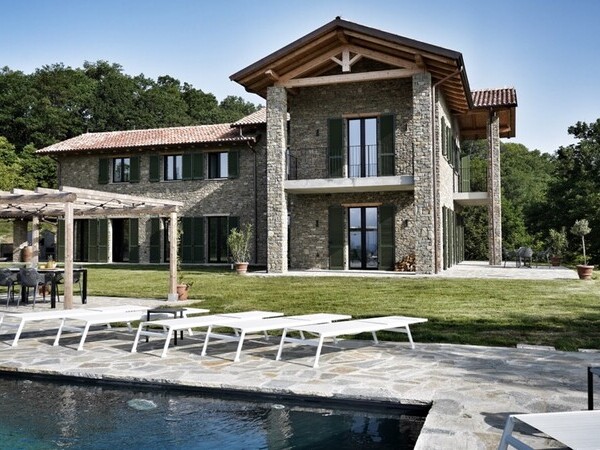
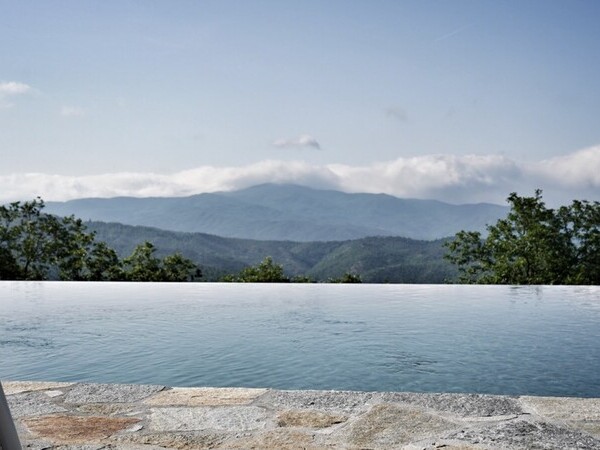
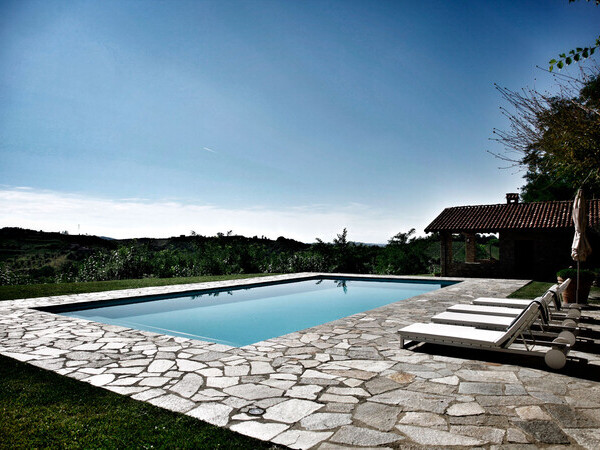

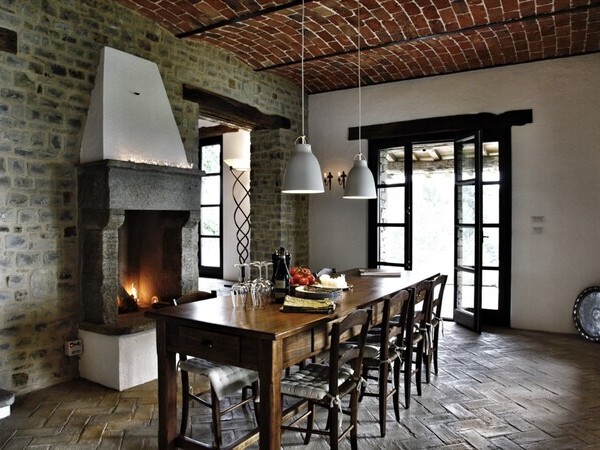
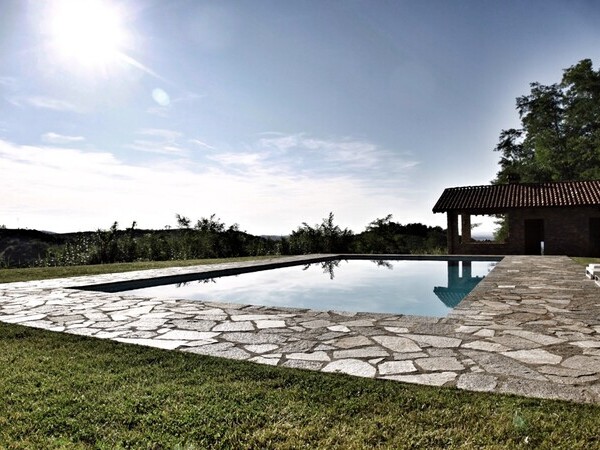
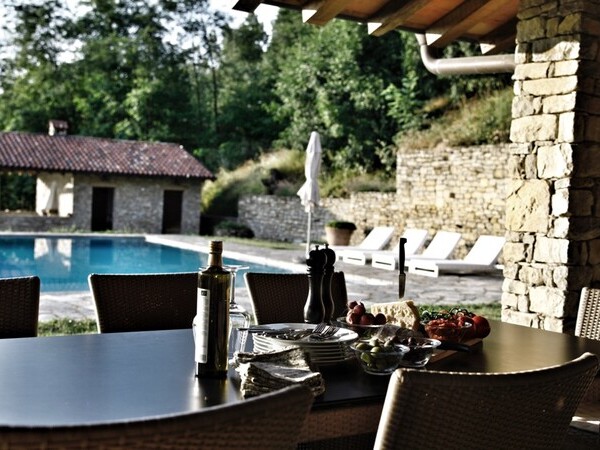
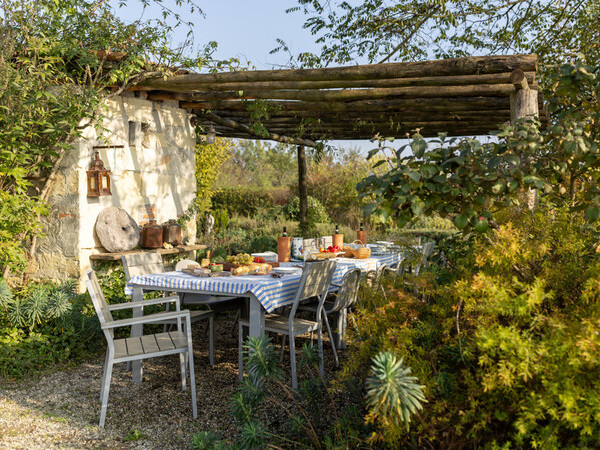
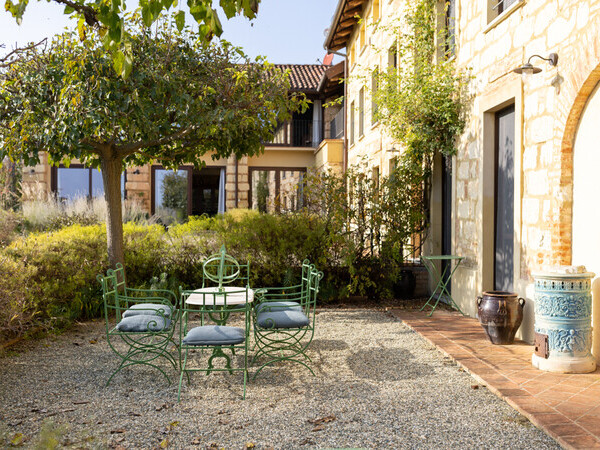
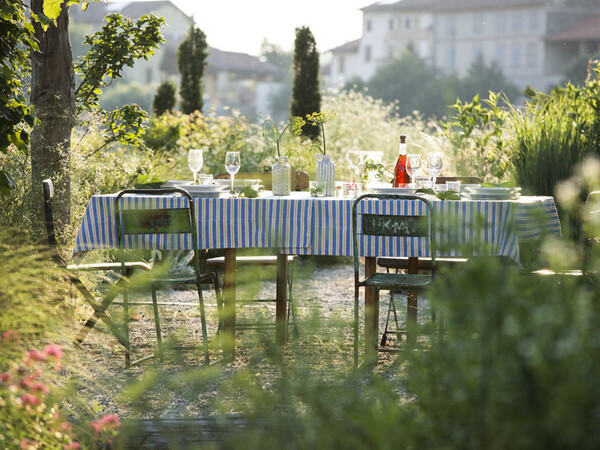
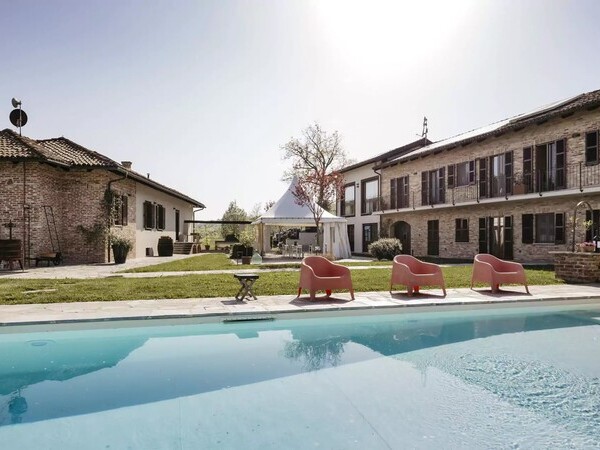
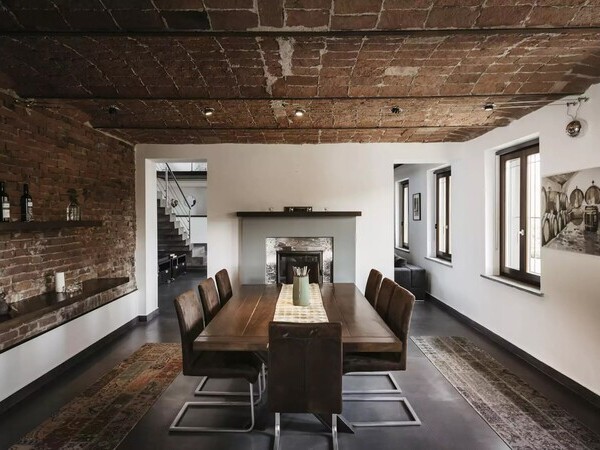
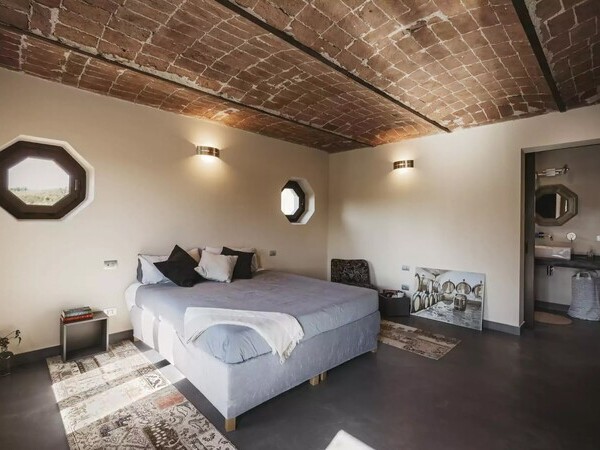
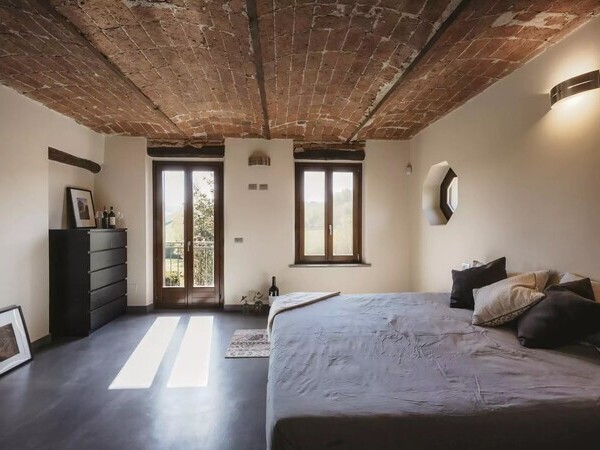
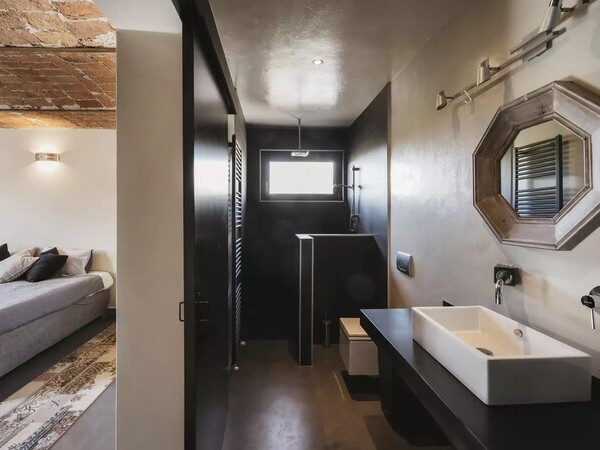
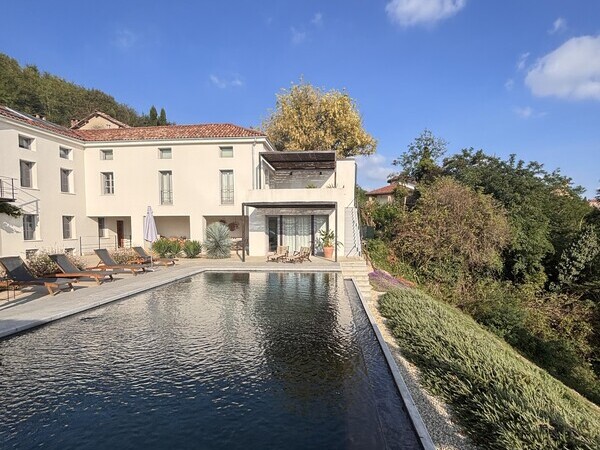
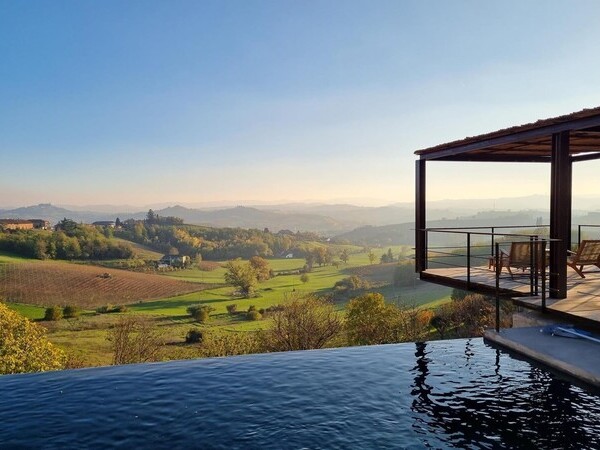
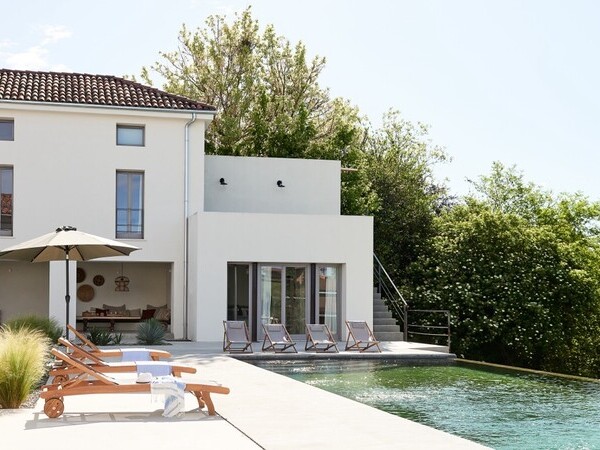
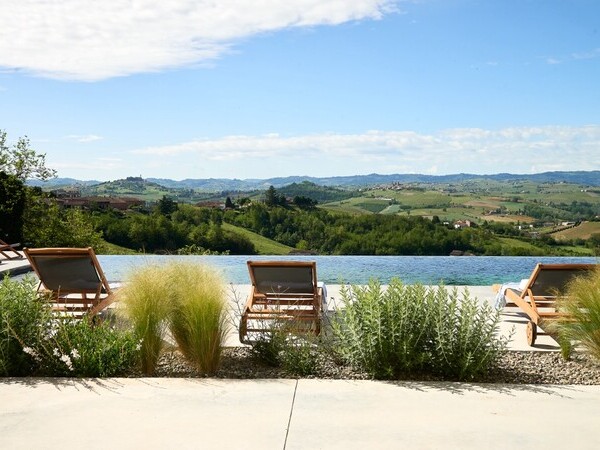
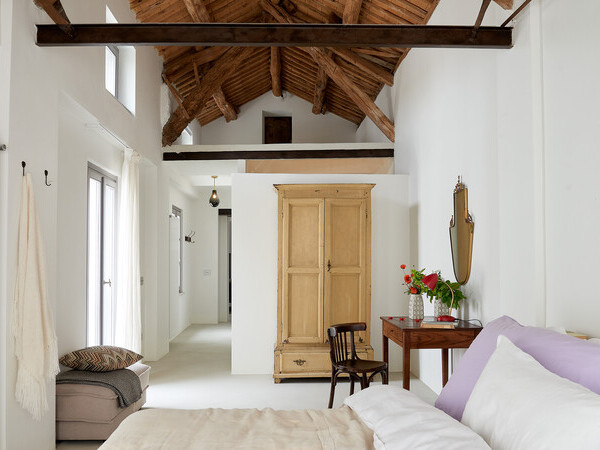

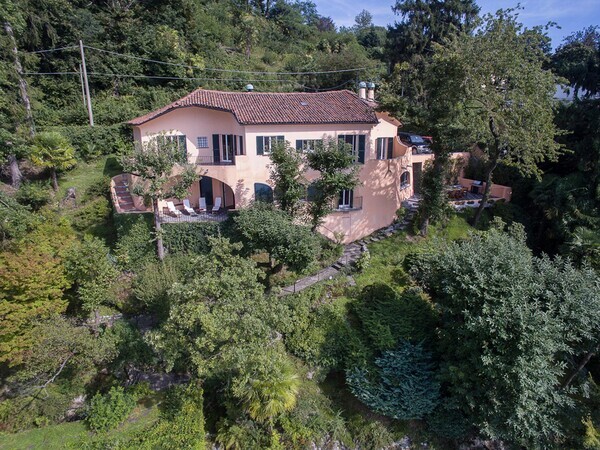
Piedmont attracts travellers who are looking for something different from the classic Italian holiday regions. Instead of beaches and busy resort towns, many guests search here for quiet countryside villas, vineyard views, generous outdoor spaces and a strong connection to food and wine culture. Typical questions are very specific: Where are the most scenic areas? Which villas offer privacy and a pool? Is Piedmont suitable for families or groups? And how rural is “rural” in practice?
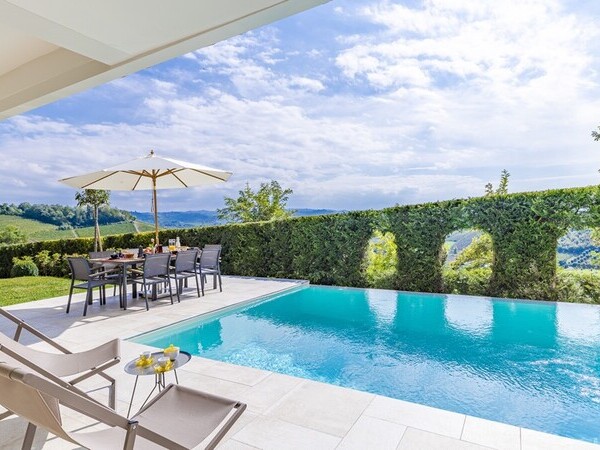
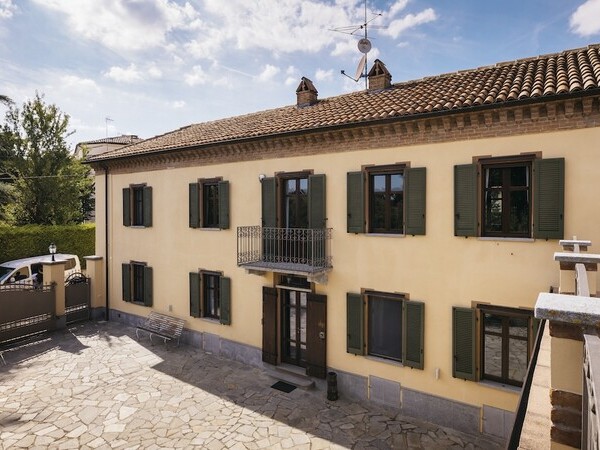
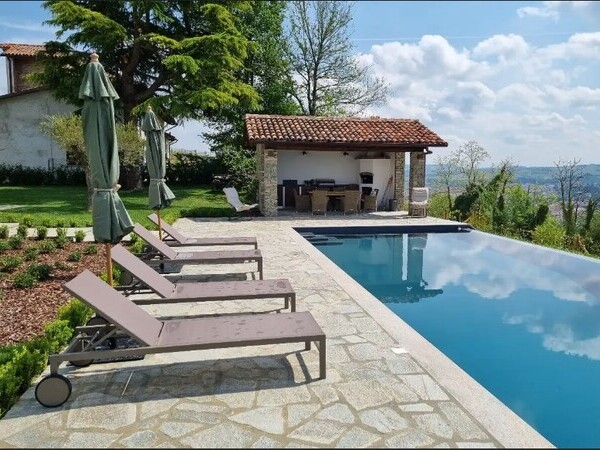
The region is defined by variety on a subtle level. The landscapes of the Langhe, Monferrato and Roero differ in atmosphere, elevation and accessibility, and holiday homes vary accordingly – from traditional stone farmhouses to refined country villas with panoramic pools. Choosing the right location is therefore essential for a satisfying stay.
The following questions and answers offer a clear overview of Piedmont as a holiday region. They are designed to help you understand regional differences and to choose a holiday home that fits your travel style, whether you are travelling as a couple, a family or a group of friends.
Frequently Asked Questions – Piedmont Holiday Homes
1. Where can I find beautiful villas with pool in Piemonte?
Beautiful villas with pool in Piemonte are mainly found in the rolling hill regions of the Langhe, Roero and Monferrato, as well as in selected areas around Alba, Barolo, La Morra, Neive and Asti. These landscapes are characterised by vineyards, gentle hills, historic villages and wide open views, making them ideal for detached villas with private pools and generous outdoor spaces.
Many of the most attractive villas are set slightly outside villages, offering privacy and panoramic views over the wine-growing countryside, while still being within a short drive of restaurants, wineries and local markets. Compared to more tourist-heavy regions, villas in Piemonte often provide more space, tranquillity and authenticity.
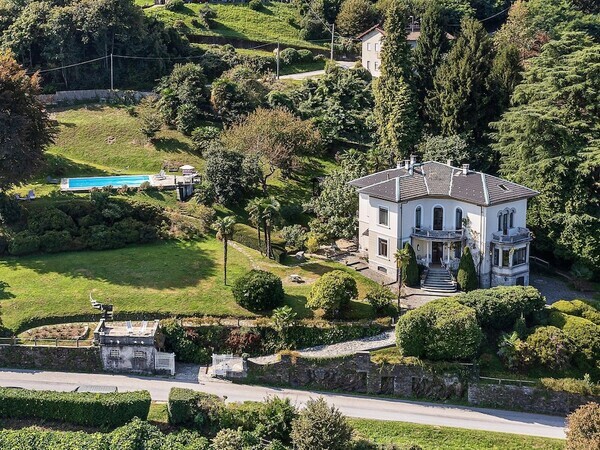
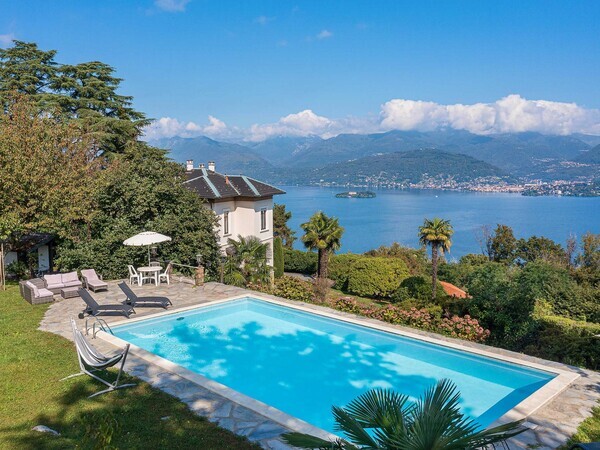
On casainitalia.com, villas in Piemonte are carefully selected in exactly these areas. The focus is on properties with a strong sense of place: quiet locations, private pools, large gardens and an environment that reflects the character of the region. Whether you are looking for a restored stone farmhouse, a classic country villa or a contemporary design villa with views over the vineyards, Piemonte offers some of the most refined and understated villa experiences in Italy.
2. Which areas in Piedmont are best for a holiday home with pool and vineyard views?
Piedmont offers some of the most beautiful landscapes in northern Italy: soft rolling hills, endless vineyards and small medieval villages perched on hilltops. The most popular areas for holiday homes with pools are the Langhe, the Monferrato and the Roero region. Around Alba, Barolo, Neive or La Morra you will find villas with wide views over vineyards, peaceful countryside and excellent access to wineries and restaurants. These locations offer a perfect mix of privacy, scenery and gastronomy.
3. Is a car necessary when staying in a holiday home in Piedmont?
Yes, a car is strongly recommended. Piedmont is a rural region with many villas located on hillsides or surrounded by vineyards. Public transport is limited, and distances between villages, wineries and supermarkets can be longer than in central Tuscany. With a car, you can explore small wine towns, truffle areas, viewpoints and local markets at your own pace.
4. How far are Piedmont holiday homes from the nearest airports?
The main airports for reaching Piedmont are Turin (TRN) and Milan Malpensa (MXP). Depending on where your villa is located, the transfer time usually ranges from 45 minutes to 2 hours. Villas around Alba, Barolo and Asti are typically 1 to 1.5 hours from the airport. The region is well connected, but most villas are tucked away in quiet countryside, which is part of their charm.
5. What makes Piedmont unique compared to other Italian regions?
Piedmont is known for its quiet elegance and authentic atmosphere. Instead of crowded beach areas, you find peaceful hills, world-class wines such as Barolo and Barbaresco, excellent restaurants, and a landscape that feels untouched. The region is also home to the famous white truffle, making it a top destination for food lovers. For travellers looking for a slower pace, amazing scenery and great cuisine, Piedmont offers a different kind of Italian holiday.
6. Are there holiday homes in Piedmont suitable for families or groups?
Yes, many villas in Piedmont are ideal for families and groups. Large outdoor areas, private pools, generous living spaces and quiet surroundings make the region perfect for shared holidays. Children can enjoy nature, while adults appreciate wineries and local markets. For groups, Piedmont is especially popular because many spacious country houses offer separate bedrooms, large terraces and panoramic gardens.
7. What is the best time to visit Piedmont?
The most pleasant months are May, June, September and October. Spring offers fresh green landscapes and mild temperatures, while autumn is the famous truffle season and brings warm colours to the hills. July and August are warm and ideal for pool holidays. Winter is quiet and atmospheric, especially for guests interested in gastronomy.
8. Are there villas in Piedmont with heating for spring or autumn stays?
Yes, many villas are equipped with central heating or modern heating systems, making them suitable for cooler months. Because Piedmont is further north than many Italian regions, evenings in spring and autumn can be fresh. Heating costs may apply depending on the villa, and these are always listed on the property page.
9. How close are restaurants and grocery stores to holiday homes in Piedmont?
Most villas are located in rural areas or on hillsides. Small villages with restaurants, cafés and small grocery stores are usually 5 to 20 minutes away by car. Larger supermarkets are typically located in the towns of Alba, Asti, Barolo or Bra. Guests enjoy this balance of privacy at the villa and easy access to local gastronomy.
10. What activities can I enjoy in Piedmont besides wine tasting?
Piedmont offers a wide variety of experiences: truffle hunting in autumn, hiking through vineyards, visiting medieval towns, exploring castles, enjoying spa days, cooking classes or scenic drives. The region also borders the Alps, making day trips into the mountains possible. Piedmont is ideal for guests who enjoy nature, culture and good food.
Piedmont is a region for travellers who value landscape, tranquillity and authenticity. Holiday homes here are defined by their setting, views and atmosphere rather than resort-style luxury. From the vineyard hills of the Langhe to the quieter landscapes of Monferrato, the region offers outstanding options for families, groups and couples alike.
Choosing the right villa in Piedmont means understanding how location, accessibility and surroundings shape the experience – and when these elements align, the result is a deeply rewarding and memorable stay.
What is the best month to go to Piedmont in Italy?
Embarking on a journey to Piedmont, Italy, is akin to stepping into a vivid tapestry of history, culture, and natural beauty. But when is the quintessential moment to explore this enchanting region? The answer weaves together the desires of the heart with the rhythm of nature, revealing that the best month to visit Piedmont truly depends on the experiences you seek.
Autumn: A Symphony of Flavors and Festivities
For many, the allure of Piedmont is most irresistible in the autumn months, particularly October. This is the season when the region's famed vineyards are ablaze with fiery hues, and the air is filled with the anticipation of the harvest. October in Piedmont is a celebration of gastronomy, a time when the elusive white truffle comes to the fore, especially in the town of Alba, which hosts the world-renowned White Truffle Fair.
Autumn also welcomes a milder climate, ideal for those who wish to wander through the ancient vineyards, explore the rolling hills on foot, or partake in the many food festivals that celebrate Piedmont's rich culinary heritage. This season offers a palette of experiences, from the rustling of golden leaves to the taste of freshly harvested grapes.
Spring: A Rebirth of Nature and Culture
If the reawakening of nature calls to you, then consider visiting Piedmont during the spring months, particularly May. This is a time of renewal, where you can witness the landscape transform under the touch of warming sunlight. The vineyards and countryside are lush and vibrant, offering splendid conditions for hiking, cycling, and outdoor pursuits.
Spring in Piedmont is also a celebration of culture and history, with numerous festivals and events taking place. The mild weather and fewer crowds provide a more tranquil setting to delve into the region's artistic and architectural marvels, from the royal residences of Turin to the medieval castles dotting the landscape.
Summer and Winter: Contrasting Charms
For those who delight in the warmth of the sun, the summer months beckon with their long, languid days. July and August in Piedmont are vibrant with life, from the bustling streets of Turin to the serene waters of Lake Maggiore and Lake Orta. This is a time for al fresco dining, lively markets, and sun-drenched vineyard tours.
Conversely, winter holds its own unique charm. While December through February can be cold, the snow-capped Alps offer a haven for skiing, snowboarding, and winter sports enthusiasts. The festive season brings magical Christmas markets and illuminated streets, adding a touch of enchantment to the wintery landscape.
Choosing Your Moment: A Personal Journey. In essence, the best month to visit Piedmont is a reflection of your personal travel desires. Whether you are drawn by the allure of autumnal harvests, the vibrant rebirth of spring, the sunny exuberance of summer, or the quiet beauty of winter, Piedmont offers a year-round canvas of experiences. Each season presents its own narrative, inviting you to partake in the region's timeless journey. So, choose the month that resonates with your spirit, and embark on an unforgettable exploration of Piedmont's enduring allure.
Discover Piedmont’s Best Attractions: A Journey through Italy’s Hidden Gem
Piedmont, nestled in the northwest corner of Italy, is a region brimming with unspoiled beauty, rich history, and culinary wonders. While it may not draw the same crowds as Tuscany or the Amalfi Coast, Piedmont rewards travelers with its rolling hills, elegant cities, and world-class wine regions. Whether you're drawn by historic palaces, alpine adventures, or simply the pursuit of fine food and wine, Piedmont offers an array of must-see sights. Here's a guide to the region's top attractions, along with a hidden gem that will take you off the beaten path.
1. Turin: The Elegant Capital of Piedmont
Turin, the capital of Piedmont, is a sophisticated city with a rich royal past. Known for its grand boulevards, baroque palaces, and charming piazzas, Turin combines old-world charm with modern vitality. The Palazzo Reale, once the residence of the House of Savoy, is a magnificent symbol of the city’s aristocratic heritage, while the Palazzo Madama offers a glimpse into centuries of art and history. Don’t miss the striking Mole Antonelliana, a towering architectural icon that houses the National Museum of Cinema. From its rooftop, visitors can enjoy panoramic views of the city, framed by the distant peaks of the Alps.
2. Langhe and Roero: Wine and Truffles in the Heart of Piedmont
The hills of Langhe and Roero are the crown jewels of Piedmont’s wine country. Designated a UNESCO World Heritage Site, this region is home to some of Italy’s most esteemed wines, including Barolo and Barbaresco. Visitors can tour the vineyards, meet winemakers, and indulge in wine tastings at centuries-old wineries. Picturesque villages such as Barolo, La Morra, and Neive sit atop these vine-covered hills, offering breathtaking views and a sense of timeless beauty. For food lovers, the town of Alba is synonymous with white truffles, and the annual Alba Truffle Fair in autumn is an essential stop for those seeking the finest gourmet experiences.
3. Lake Maggiore: A Serene Escape
Though less famous than its counterpart, Lake Como, Lake Maggiore offers a serene retreat surrounded by mountains, lush gardens, and opulent villas. One of the highlights of this area is the Borromean Islands, particularly Isola Bella, with its lavish Baroque palace and terraced gardens that seem to float on the lake's surface. Another gem is Isola dei Pescatori, a quaint fishing village with narrow streets and charming local restaurants. The area around Lake Maggiore is perfect for leisurely boat trips, lakeside walks, and soaking in the tranquility of one of Italy’s most beautiful lakes.
4. Sacra di San Michele: A Spiritual Journey
Perched dramatically on a rocky spur in the Susa Valley, the Sacra di San Michele is one of Piedmont’s most awe-inspiring landmarks. This ancient abbey, built in the 10th century, is steeped in history and legend. It is said to have inspired Umberto Eco’s famous novel The Name of the Rose. The hike up to the abbey is as rewarding as the visit itself, offering sweeping views of the surrounding valleys and mountains. Inside, you’ll find fascinating medieval architecture and a profound sense of serenity, making this one of the most spiritual experiences in the region.
5. Royal Hunting Lodge of Stupinigi: Baroque Splendor
Just outside Turin, the Palazzina di Caccia di Stupinigi is a stunning example of Piedmontese Baroque architecture. Originally built as a hunting lodge for the Savoy family, this palace is a masterpiece of elegance and extravagance. The grandiose rooms, adorned with frescoes, chandeliers, and period furniture, offer a glimpse into the opulent lifestyle of the Italian nobility. Surrounded by expansive parks and gardens, Stupinigi is the perfect place for a leisurely stroll through history.
Hidden Gem: Valle Maira – A Secret Alpine Retreat
For those looking to venture off the beaten path, Valle Maira is Piedmont’s best-kept secret. Tucked away in the Cottian Alps near the French border, this pristine valley is a haven for nature lovers and outdoor enthusiasts. Unlike the more famous alpine resorts, Valle Maira remains refreshingly untouched by mass tourism. It’s an ideal destination for hiking, mountain biking, and skiing in winter, offering dramatic landscapes of rugged peaks, deep forests, and tranquil alpine meadows.
The Percorsi Occitani, a network of hiking trails, winds through the valley’s medieval villages, where time seems to have stood still. The village of Chiappera is particularly picturesque, with its stone houses and breathtaking views of the surrounding mountains. The valley is also rich in cultural heritage, with ancient frescoes adorning the walls of its small chapels, and the local cuisine—hearty mountain dishes and robust wines—reflects the region's deep-rooted traditions. Valle Maira is a true escape for those seeking solitude, adventure, and a connection with nature.
Piedmont – A Region Full of Discoveries
Piedmont is a region that rewards those willing to explore its varied landscapes and rich cultural heritage. From the stately grandeur of Turin to the rolling vineyards of Langhe, and from the serene waters of Lake Maggiore to the hidden valleys of the Alps, Piedmont offers an authentic and diverse Italian experience. Whether you’re here for the history, the wine, the food, or the natural beauty, Piedmont promises an unforgettable journey into one of Italy’s most enchanting regions.
The Cuisine of Piedmont
The cuisine of Piedmont is a culinary journey deeply rooted in the traditions and landscapes of northern Italy. Nestled between the rolling hills of Monferrato, the vineyards of Langhe, and the majestic Alps, Piedmont offers an extraordinary variety of flavors that attract food lovers from around the world.
Authentic Flavors of Piedmont
Piedmontese cuisine is distinguished by its refinement, while still remaining connected to its rustic, rural origins. Truffles, particularly the prized white truffles from Alba, are the crown jewel of Piedmont’s gastronomy. This rare delicacy adds a luxurious touch to simple dishes like Tajarin (fine egg noodles) or risotto.
Equally renowned is Fassona beef, an indigenous breed known for its tender, lean meat, which shines in dishes like "Carne Cruda" (raw beef tartare) or Brasato al Barolo. Speaking of Barolo, this iconic wine is one of the cornerstones of Piedmont’s culinary tradition. The region is famous for its world-class red wines, particularly those made from the Nebbiolo grape, which also produces the elegant Barbaresco alongside Barolo.
Culinary Traditions and Slow Food
Piedmont is also the birthplace of the Slow Food movement, which was founded in Bra in 1986. This movement celebrates local cuisine and sustainable food production, principles reflected in the region’s dishes. The use of local ingredients such as hazelnuts, cheeses like Toma and Robiola, and seasonal vegetables lends Piedmontese cuisine its unmistakable freshness.
Another highlight of Piedmont’s culinary heritage is Bagna Cauda, a warm dip made from garlic, anchovies, and olive oil, traditionally served with raw vegetables. This convivial dish represents the importance of community and tradition, which are ever-present in the region’s gastronomy.
A Gourmet’s Journey
Visitors to Piedmont should not miss the opportunity to explore the fairytale wine villages such as Barolo or La Morra, where wine tastings are a must. In the fall, the truffle markets of Alba attract gourmets eager to taste and purchase the region’s "white gold." These culinary experiences, set against the backdrop of Piedmont’s stunning landscapes—from terraced vineyards to the snow-capped peaks of the Alps—create unforgettable memories.
For food enthusiasts, Piedmont is a region where culinary artistry is deeply intertwined with culture. Here, tradition and innovation, land and flavor, blend together to make every bite an adventure.